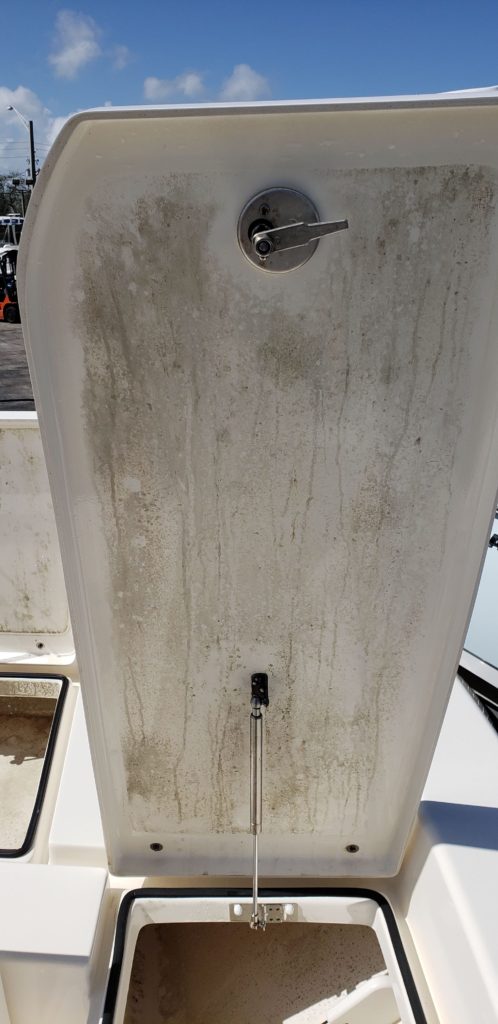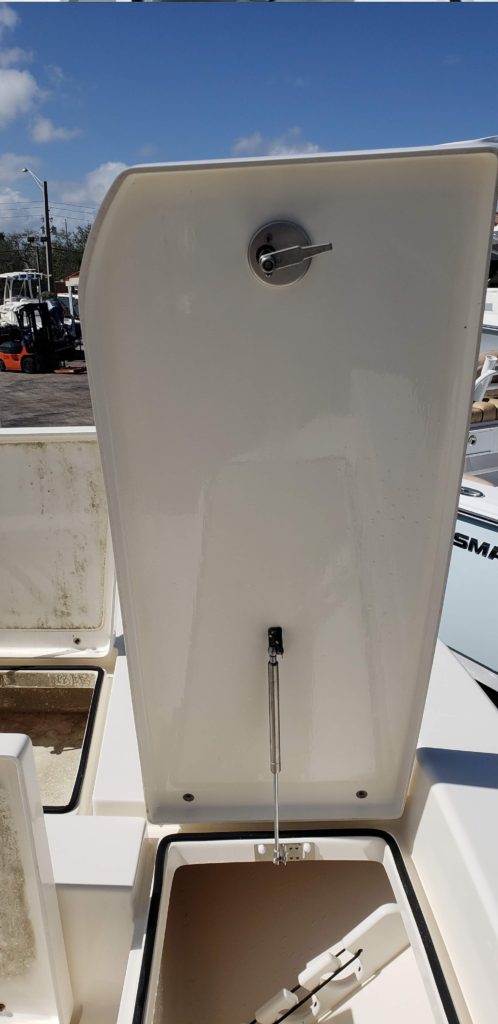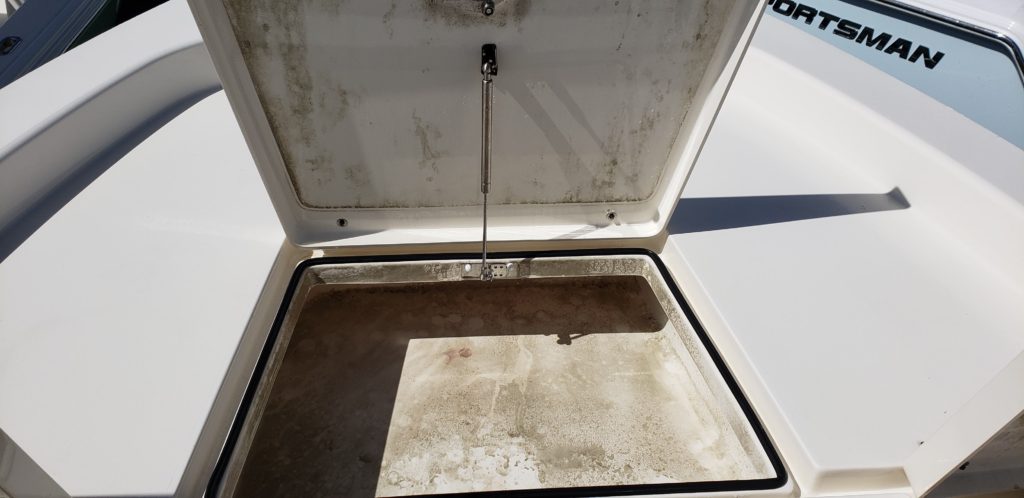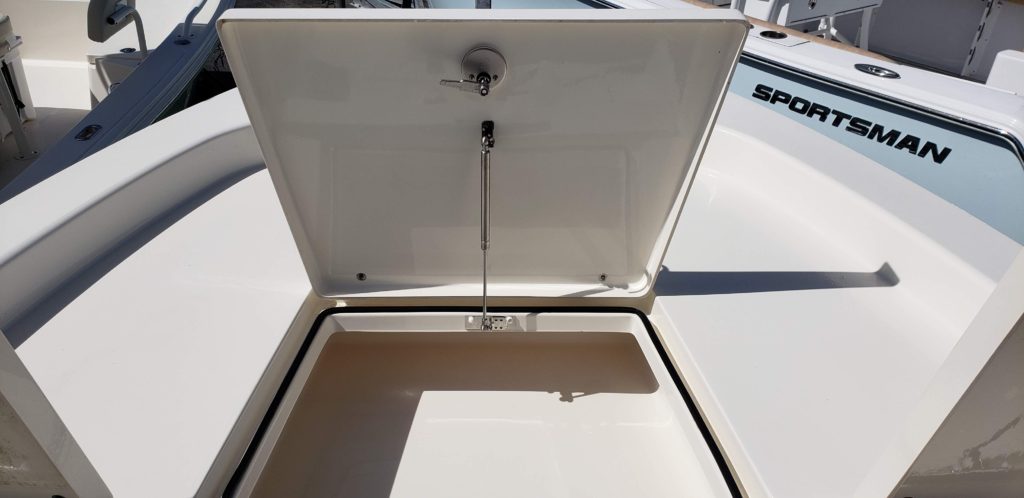
Washing and cleaning your boat involves removing marks, rust, algae, mildew, dirt, fish blood – anything that is on the topside or hull. Nonskid often has dirt, rust, tar-like substances and more that have to be removed one by one with stiff brushes or plastic razor blades and chemicals such as acetone and mineral spirits. Hatch covers, hatch tracks, hatches, compartments, live wells, and fish tanks often contain dirt, leaves, rust, mildew, algae, and a special mold I call manufacturer mold. The latter is the result of the process to make covers and compartments and shows up a year or two after the boat is made. It looks like mildew but cannot be removed with bleach.
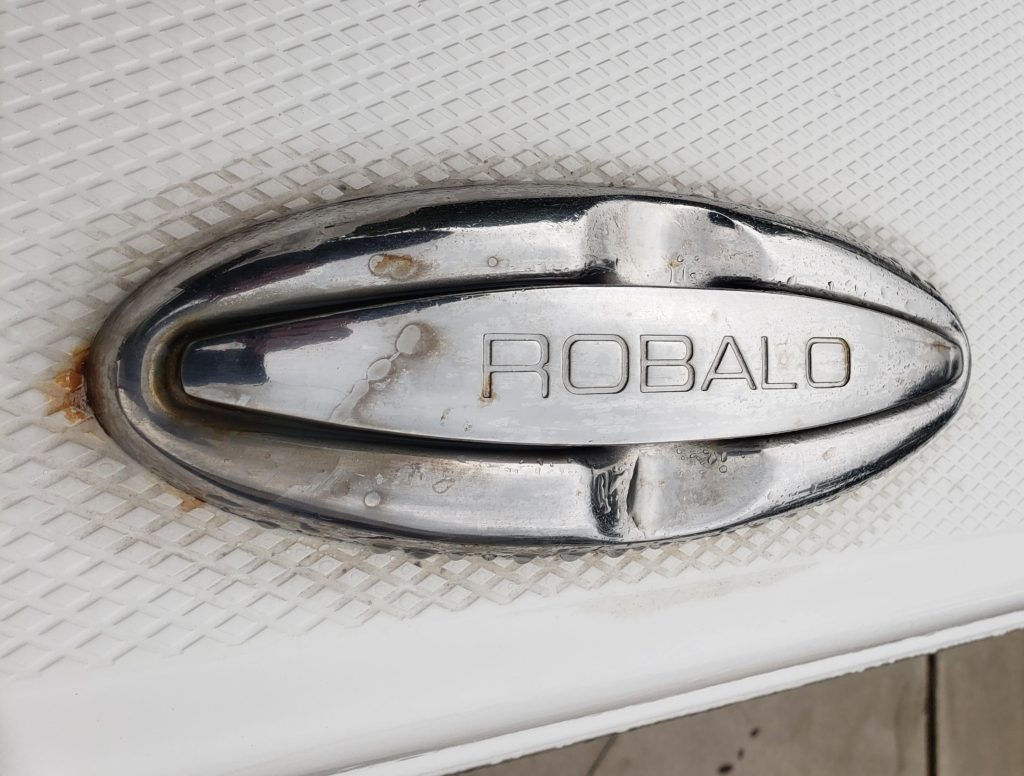
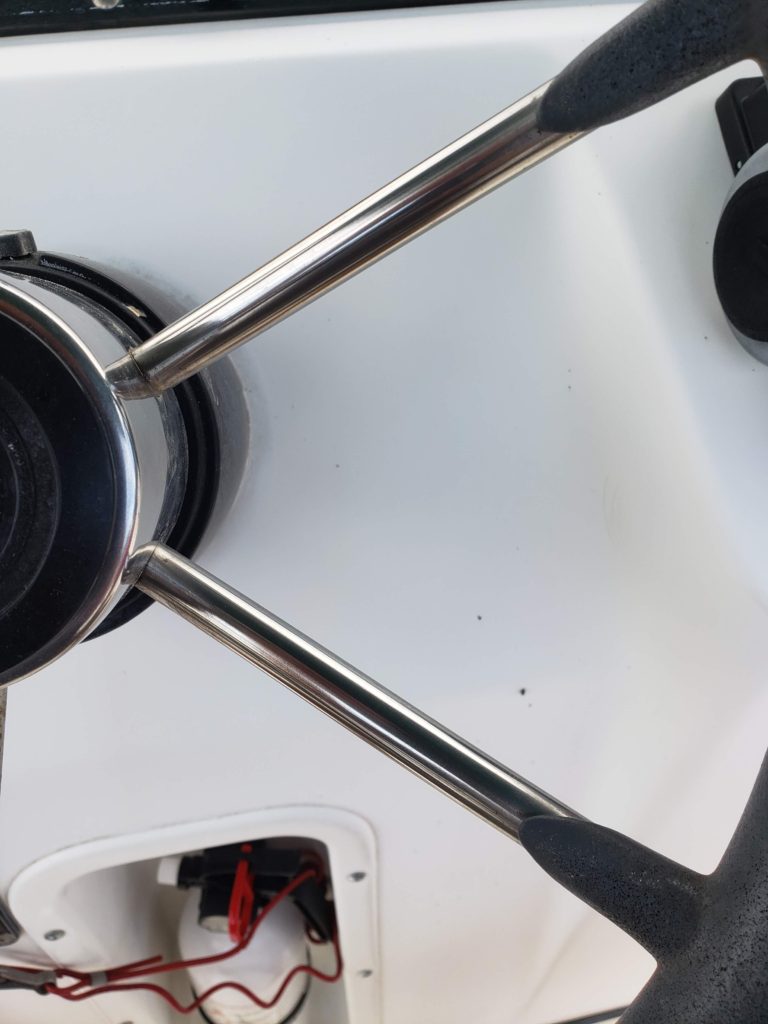
You also find rust in little dots on the deck and inside hatches and hatch tracks. Rust inside compartments is usually due to storing rusty metal such as fishing nets or anchor hardware. Rust can also cover any railings and T-top supports as well as rod holders, hinges, and cleats – any metal, even screws and bolts. This often requires using small brushes or toothbrushes to get into all the crevices and corners.
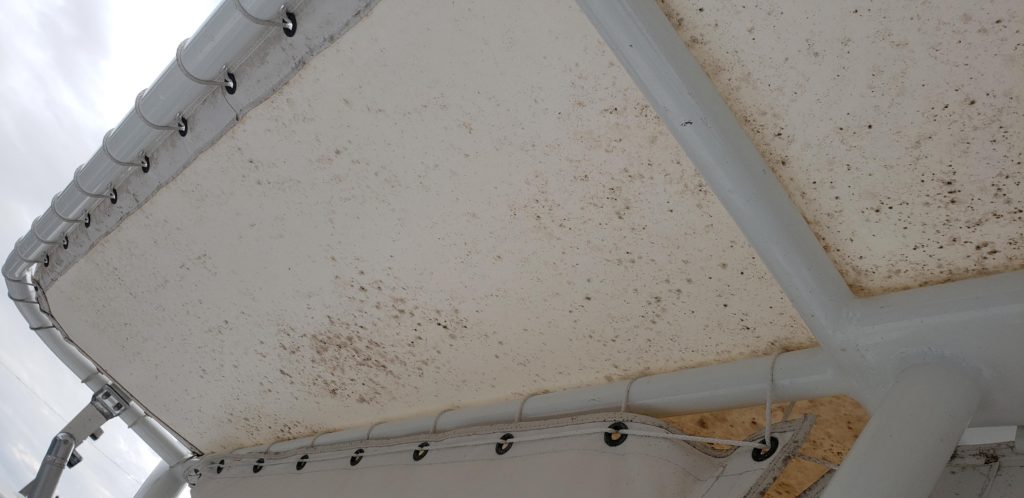
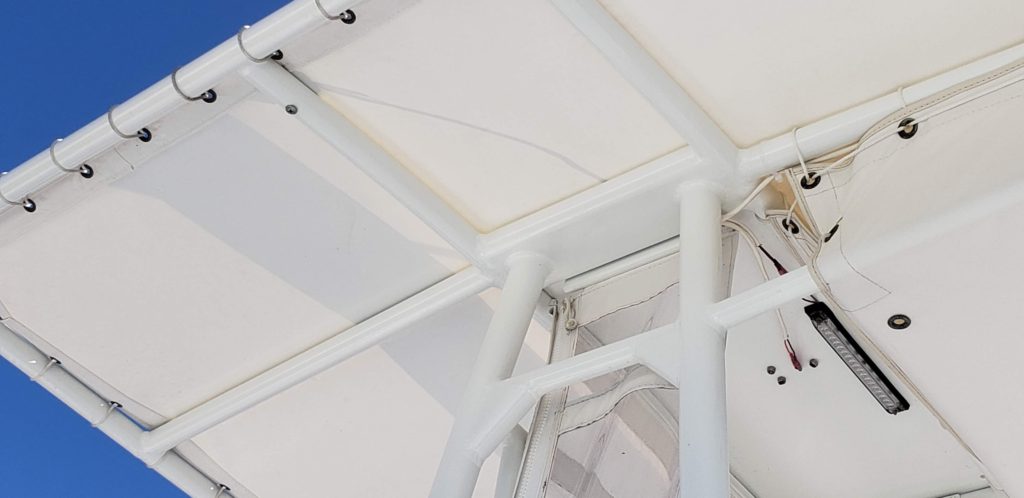
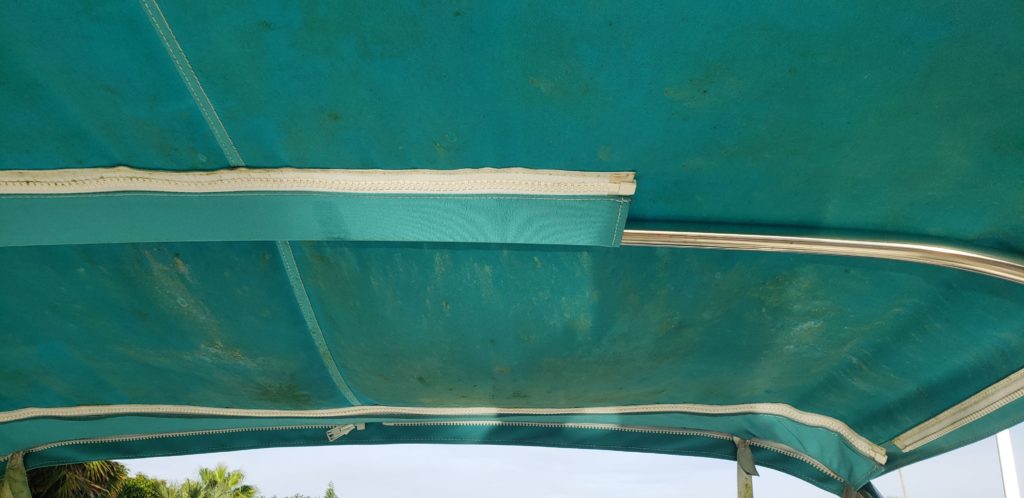
T-tops and biminis often accumulate mildew and water spots on their tops and ceilings that need to be scrubbed off. .
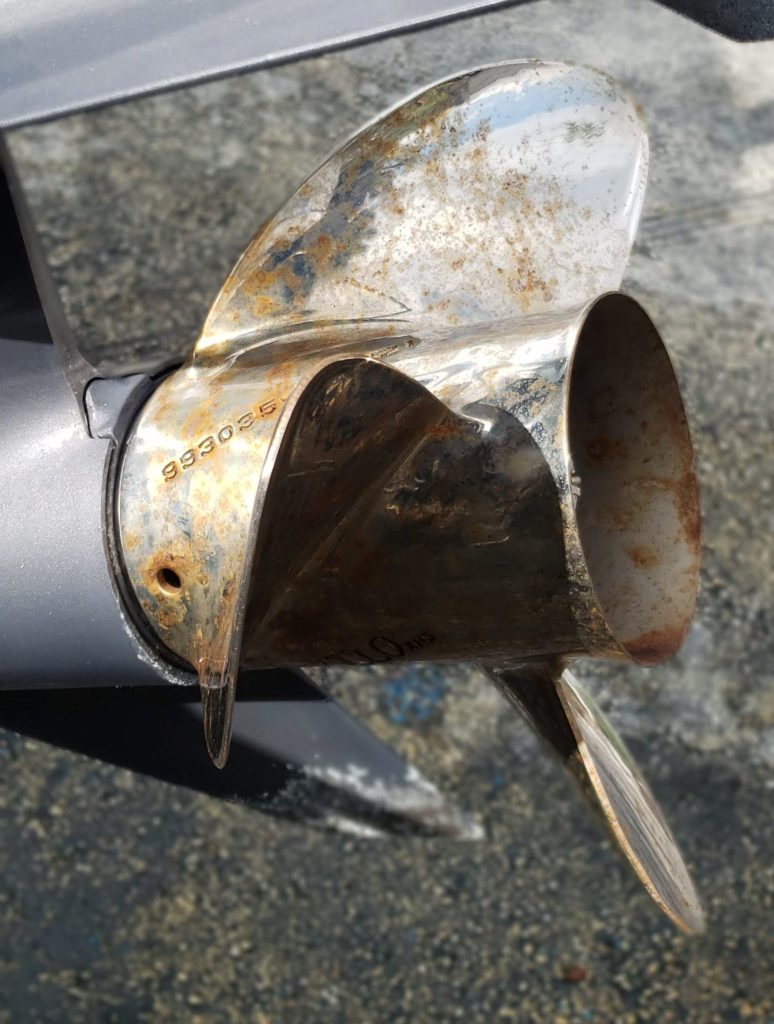
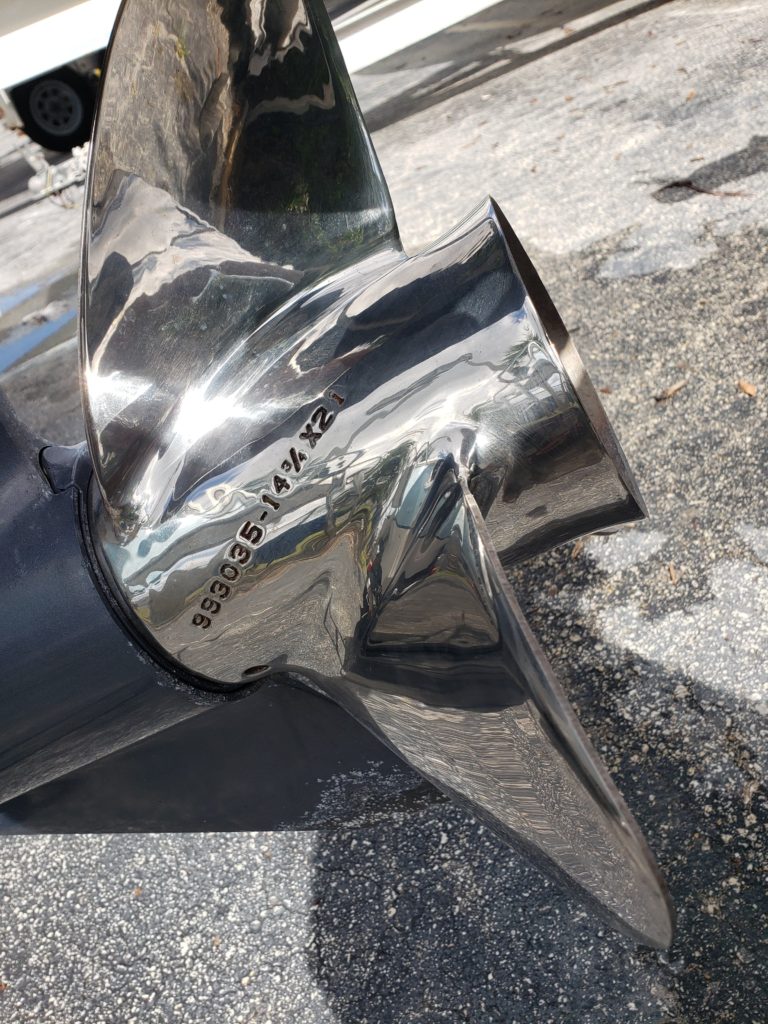
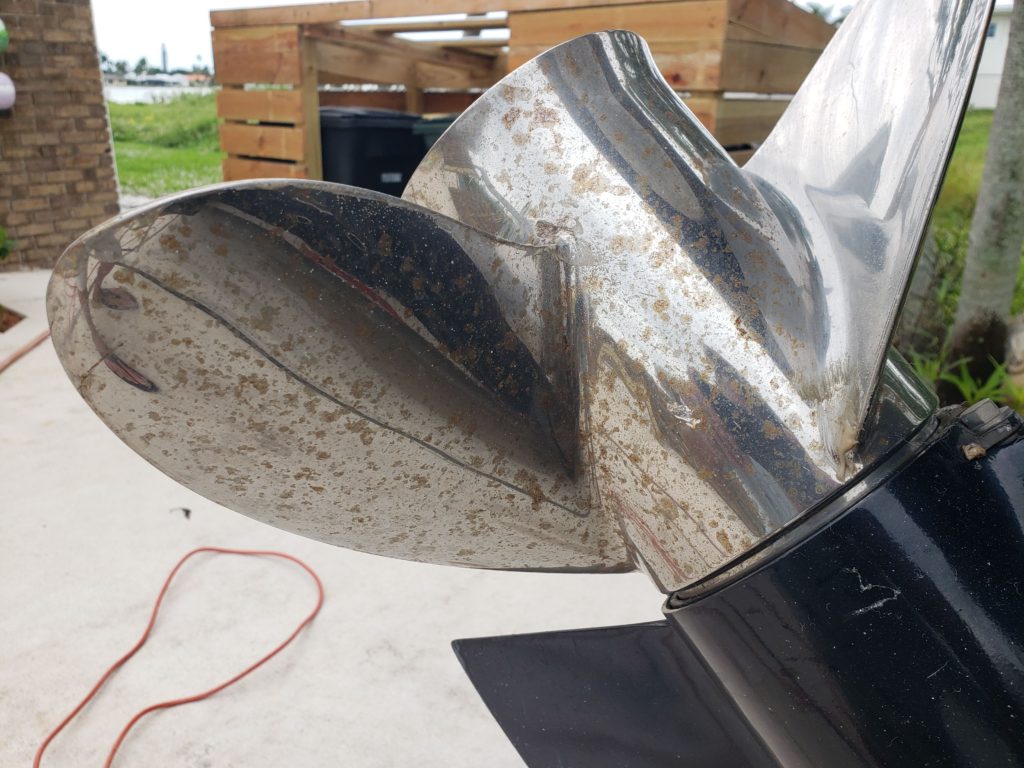
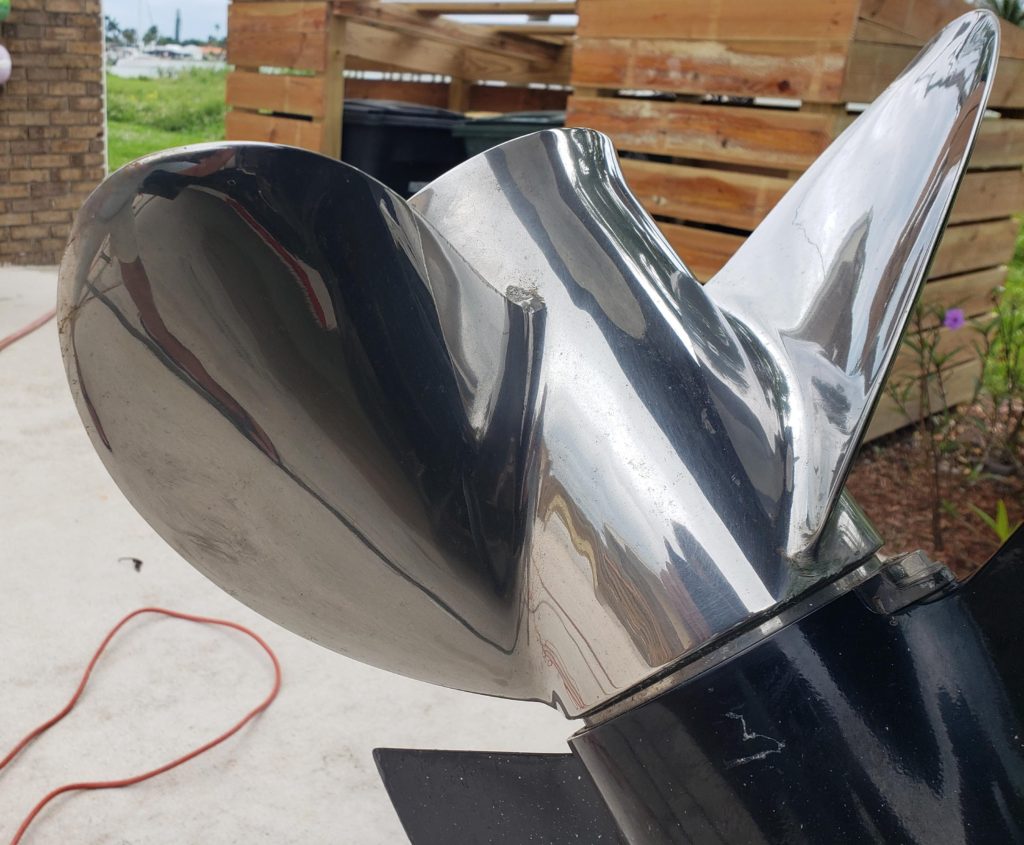
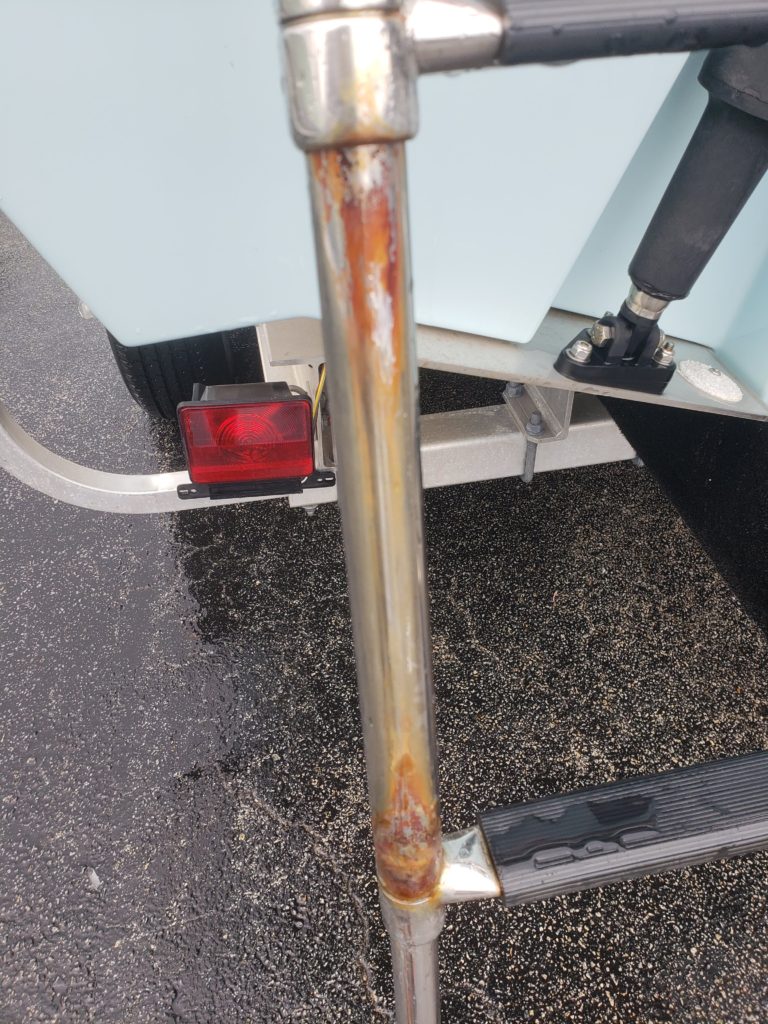
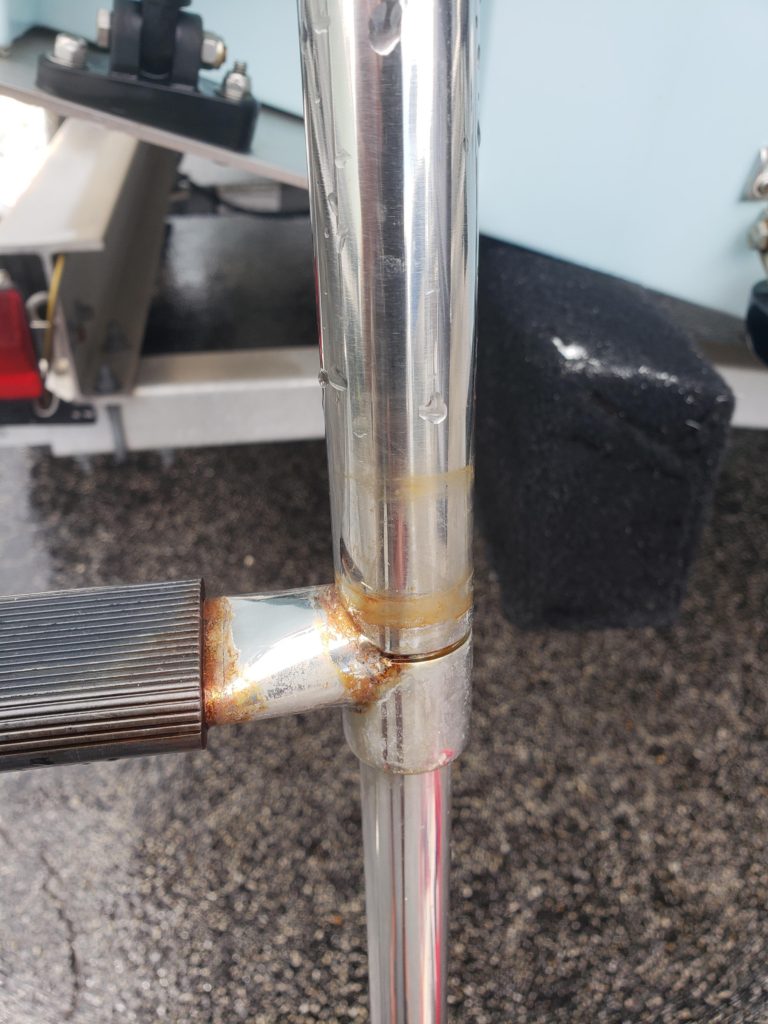
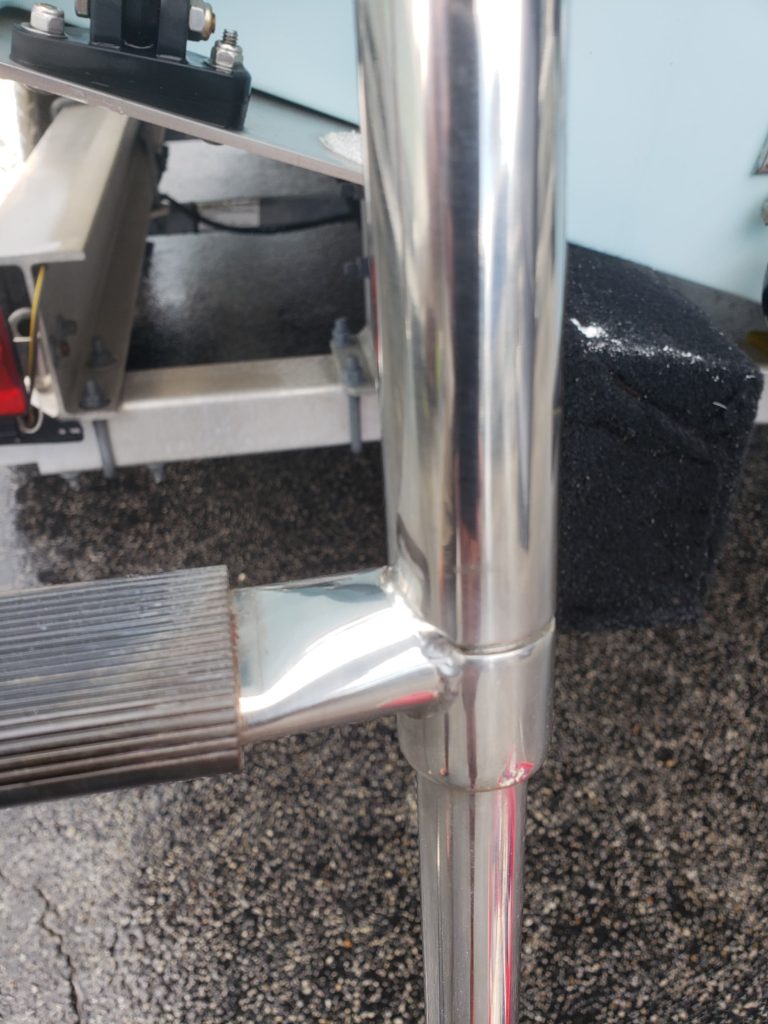
Props and ladders become rusty if not rinsed after every use. You need metal cleaner, brass wool, and toothbrush to clean these.
Washing your boat is essential to protecting and preserving all exposed surfaces – fiberglass, gelcoat, metal, and vinyl – from damage caused by saltwater, the sun, rust, and other elements. Saltwater is particularly harmful to all surfaces if not removed. It can etch water spots due to salt residue on all exposed surfaces and corrode metal. The water itself leaves a yellow/brown scum line on the hull of your boat.
In our busy lives we do not always have time to keep up with the necessary maintenance of our crafts. We sometimes barely have time to rinse the boat and flush the engine after a long day on the water. Sometimes, boats go unused for extended lengths of time and collect dirt and leaves and mildew and rust.
Topside Boat Cleaning can help you protect your boat from the harsh Florida environment by providing complete washing and cleaning of your vessel. Even if you wash your boat after each use, over time the elements take their toll.
What can cleaning your boat involve?
- Removing dirt, stains, rust, and mildew from all surfaces and compartments, including bilge and console compartments
- Cleaning the helm, console, and T-top
- Removing scum and barnacles
Where can I clean your boat?
- Anywhere your boat is on a trailer: topside and hull
- On a lift at your home: topside
- Docked at a marina: topside
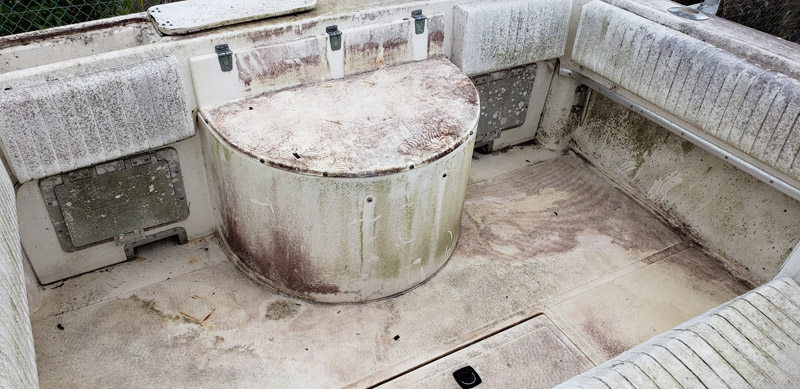
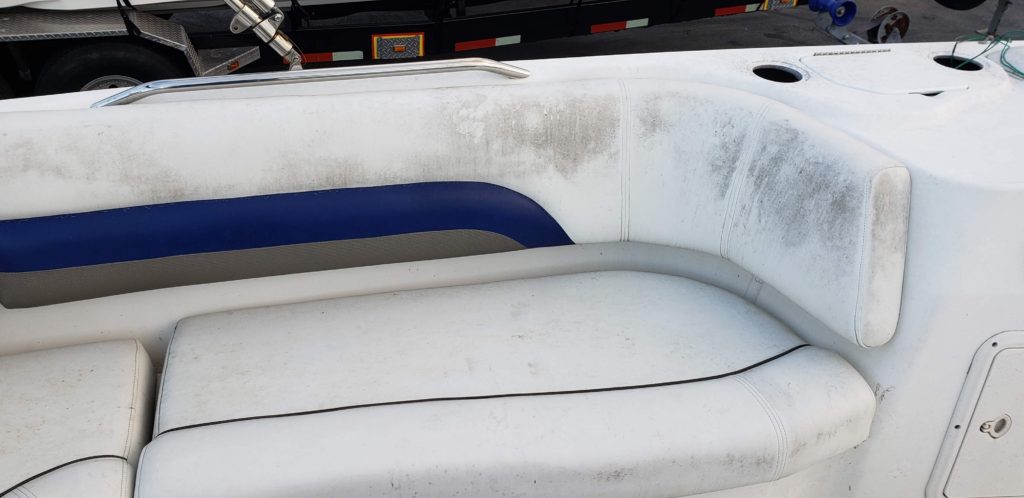
This boat can be restored! The pictures shows many of the effects of long exposure and neglect.
Some Before and After Pictures
The pictures below give examples of the detailing necessary to make boats look like new. They also show you that, if your boat looks like any of the before pictures, it can be cleaned to look like new.
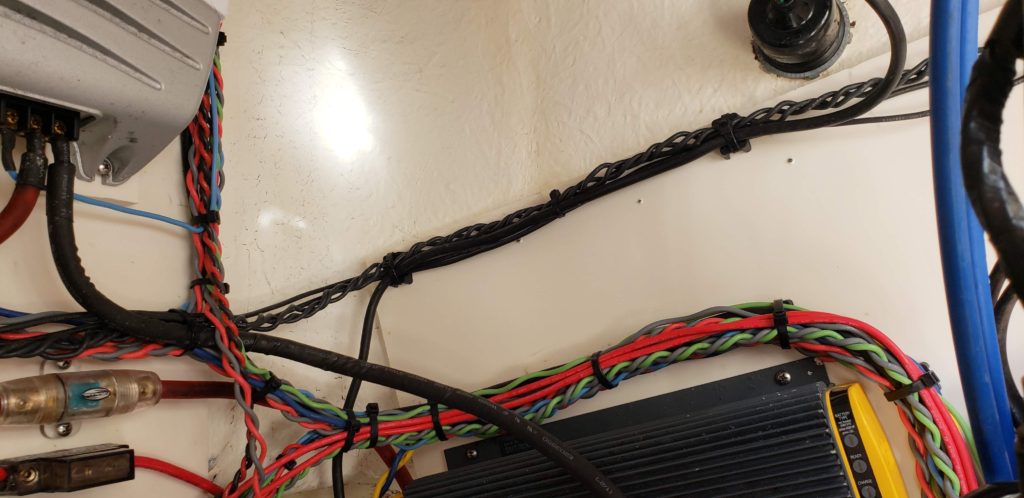
The first group of pictures are of bilges and console compartments. These are always covered with mildew, dirt, and grease. You and our mechanic deserve a clean environment to work.
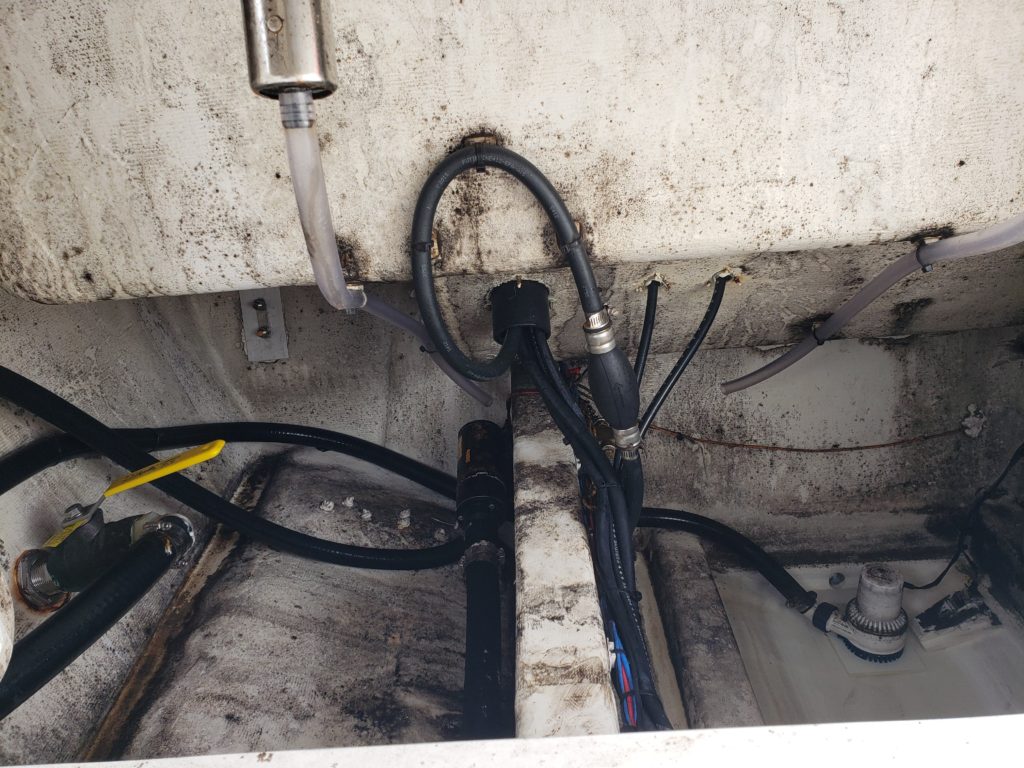
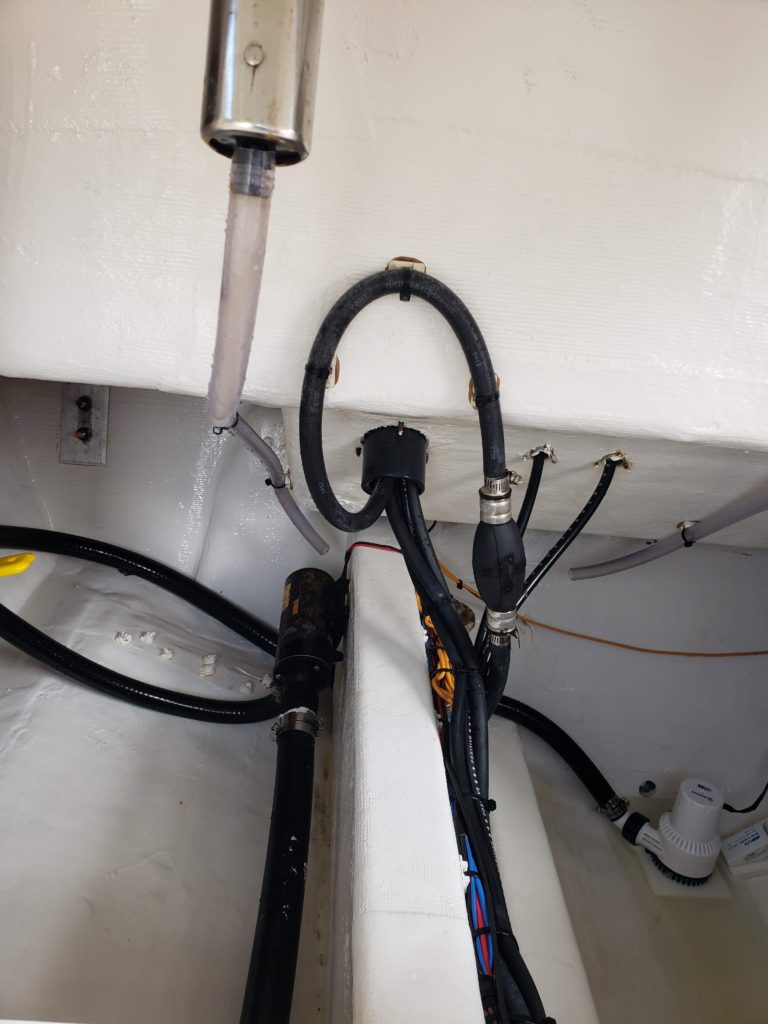
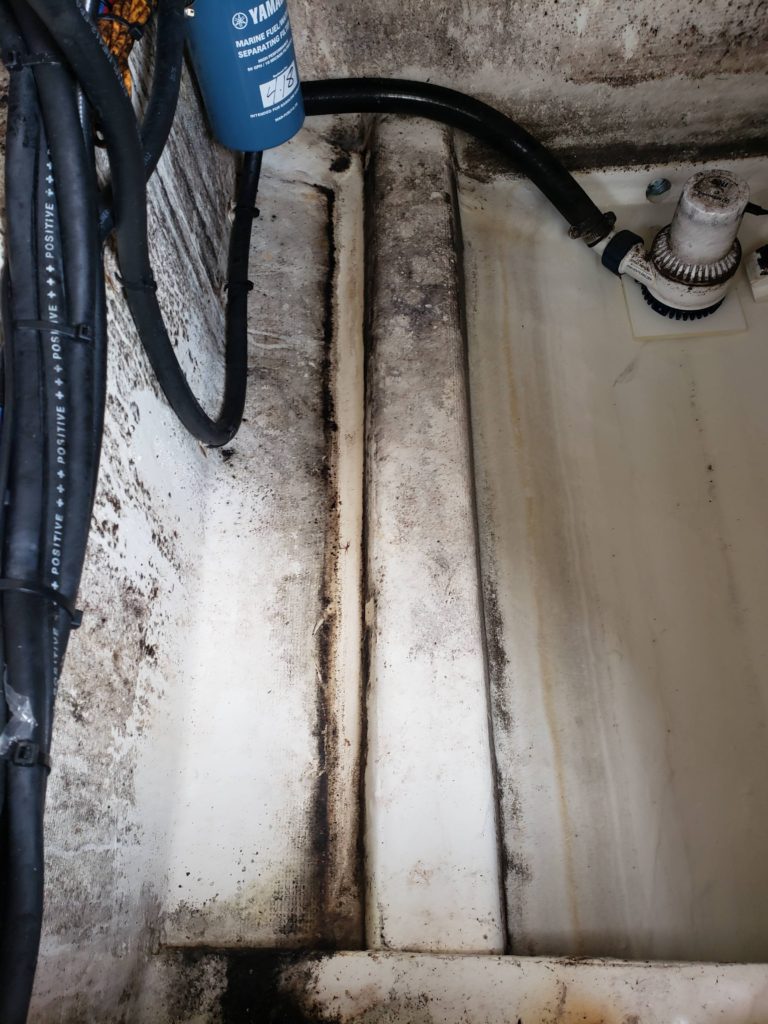
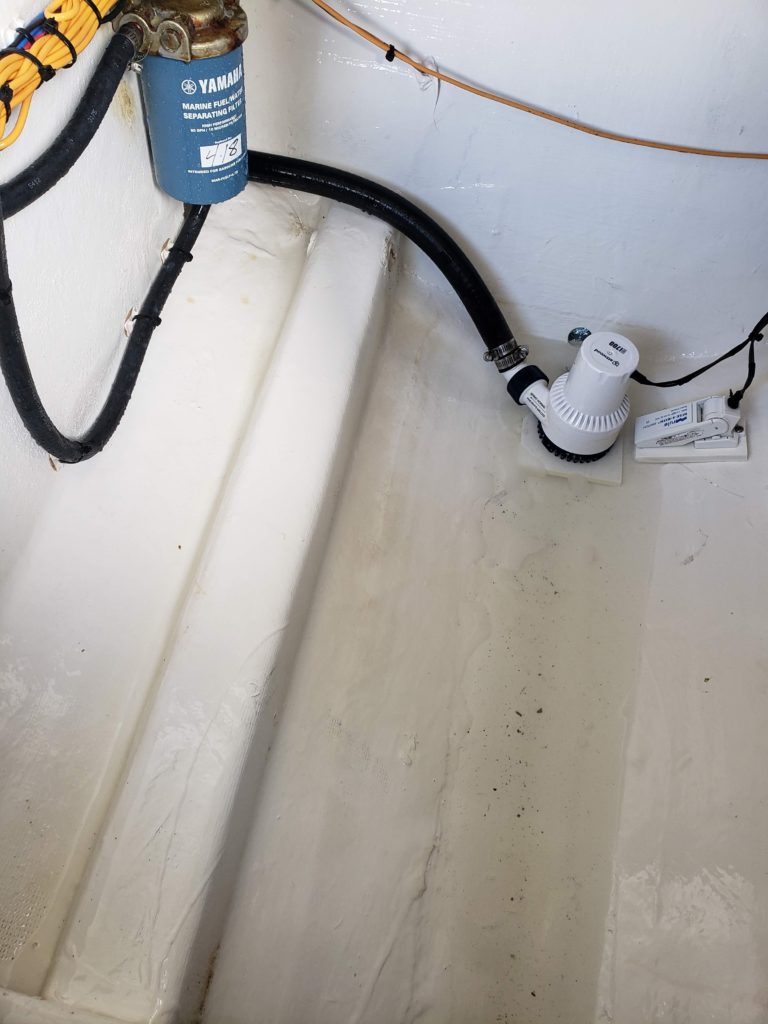
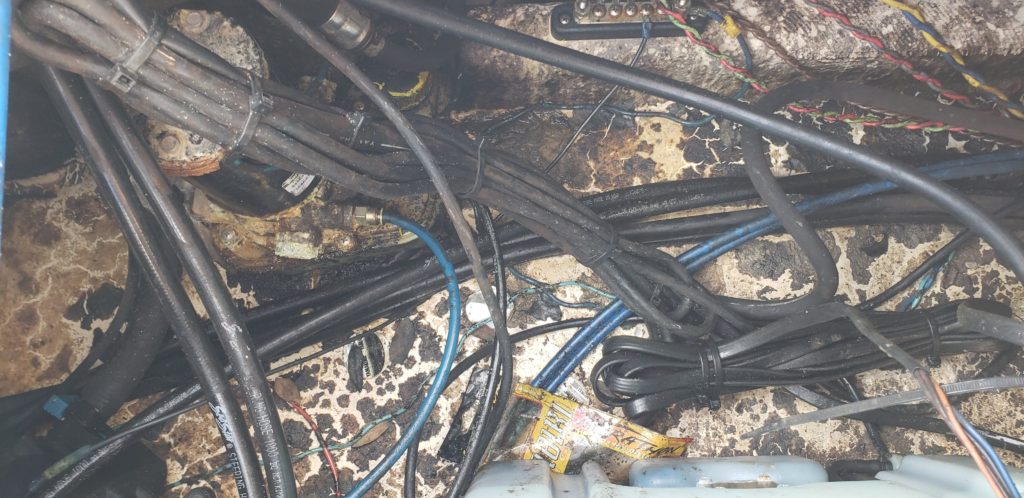
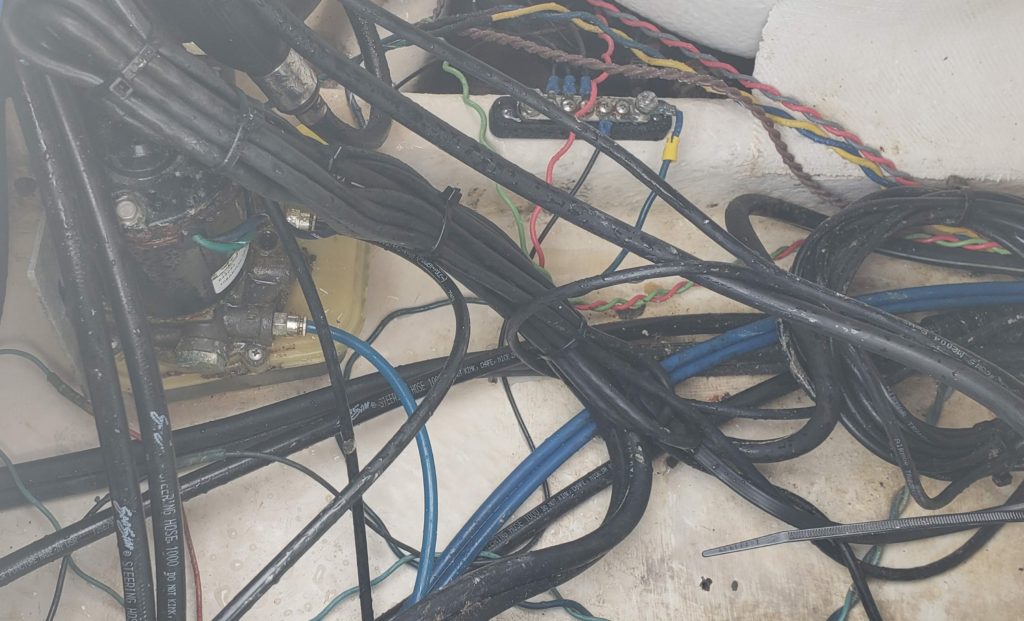
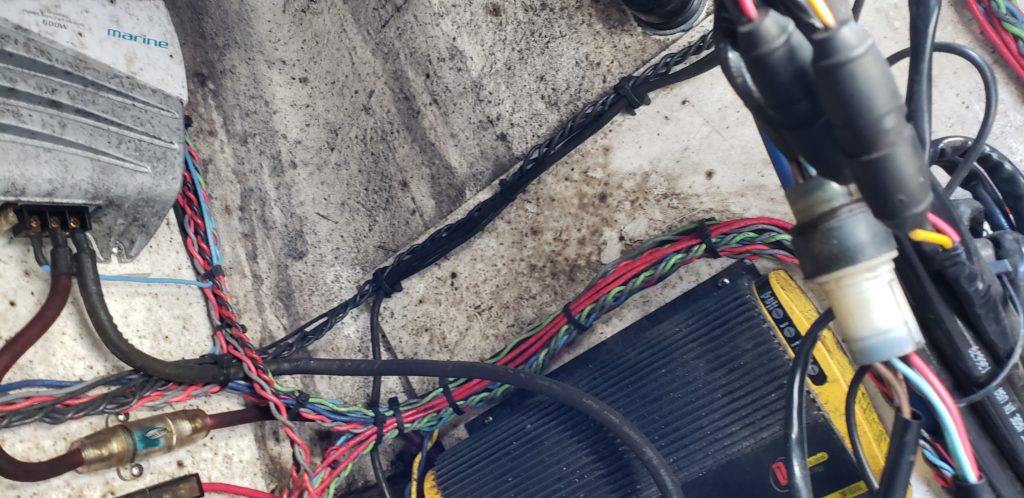
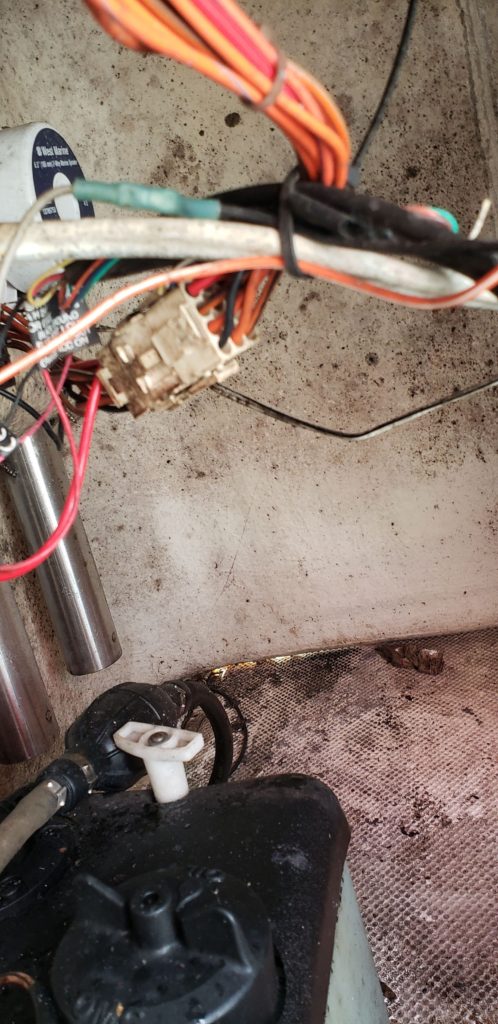
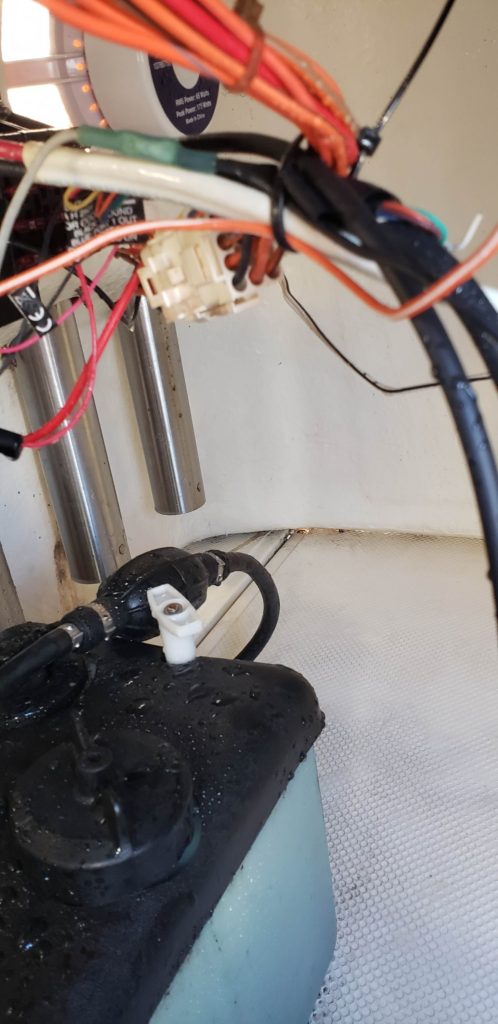
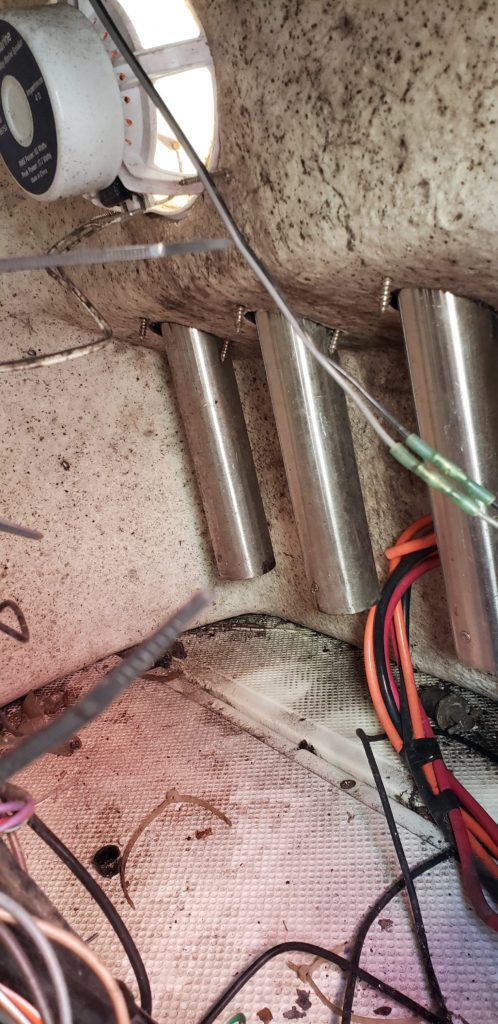
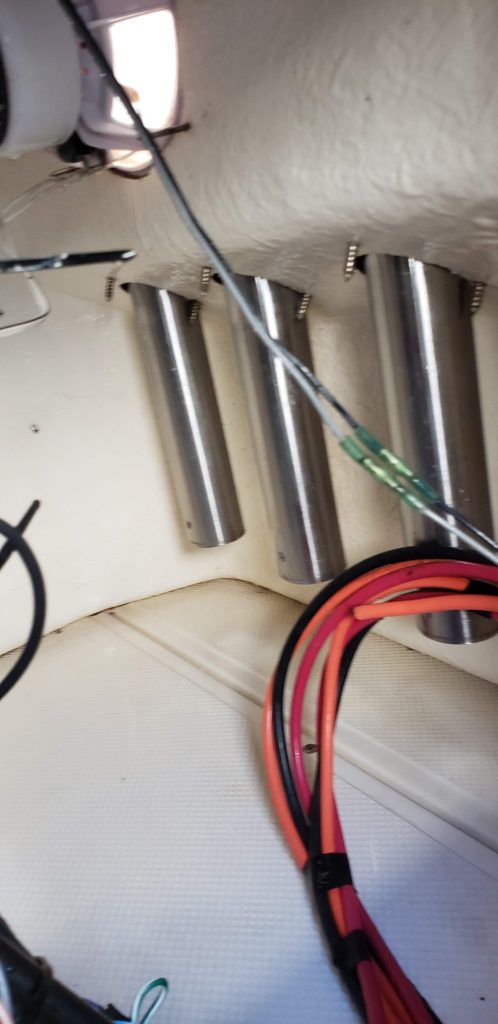
All compartments, such as hatches, fish tanks, and live wells accumulate mildew, dirt, sand, leaves, and rust.
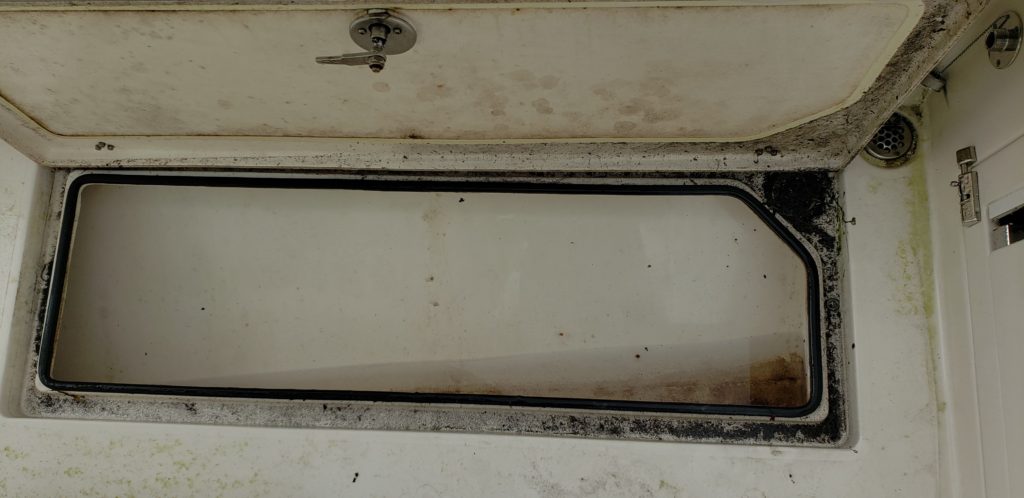
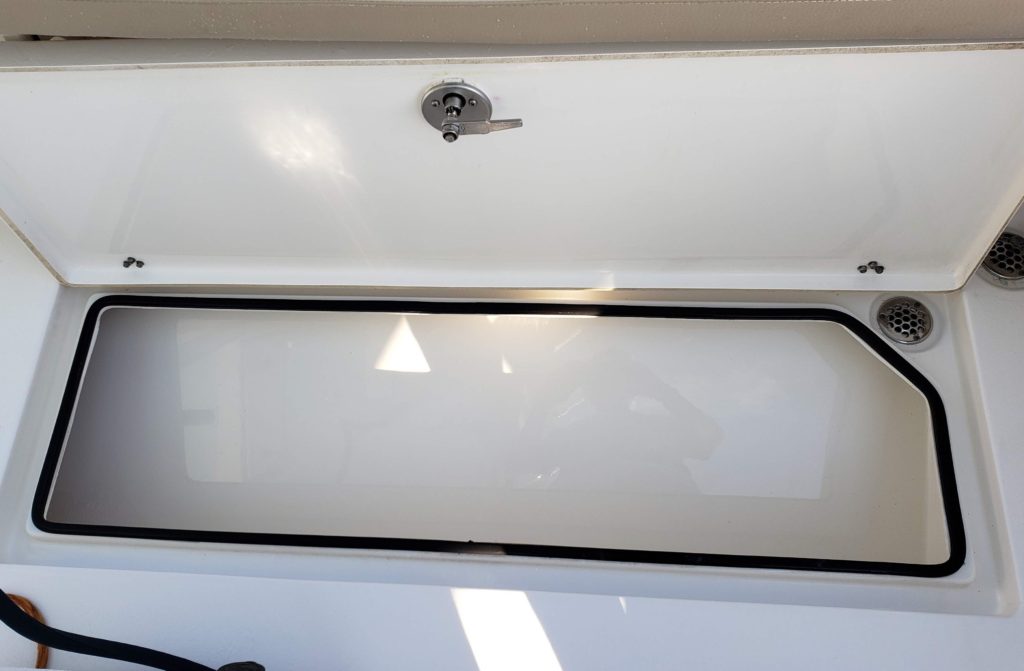
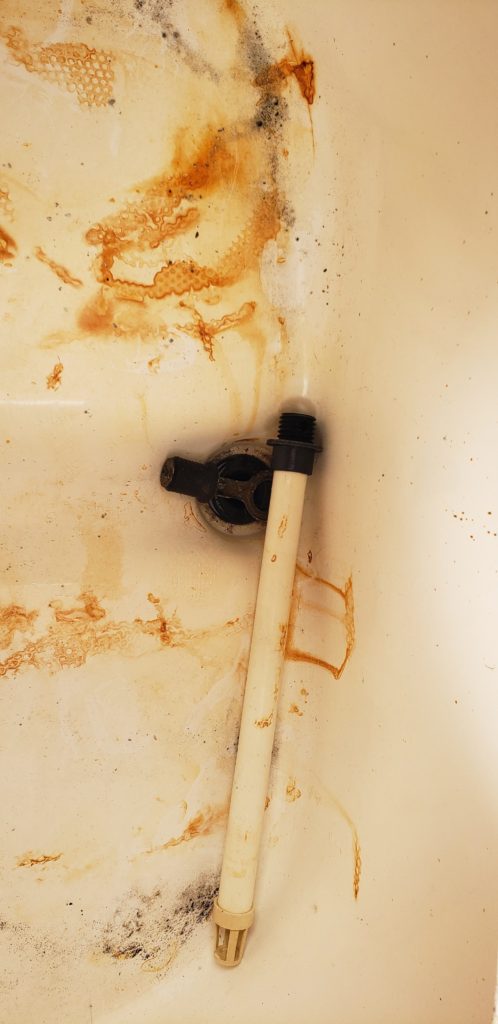
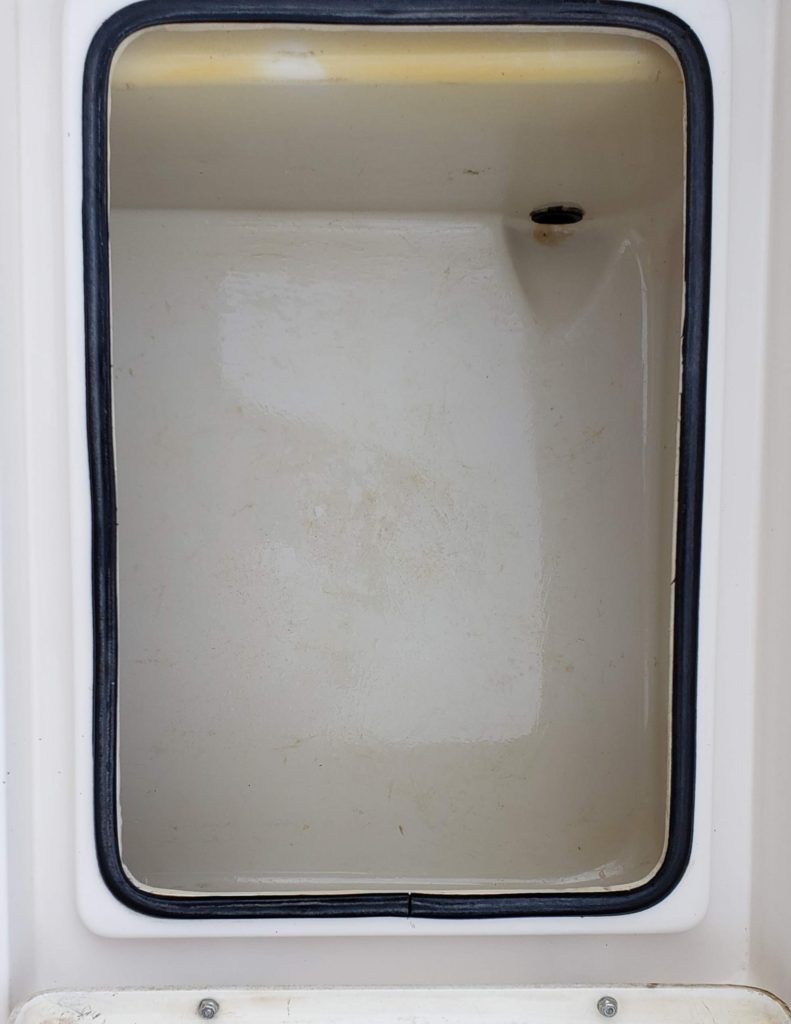
Rust in a bait box
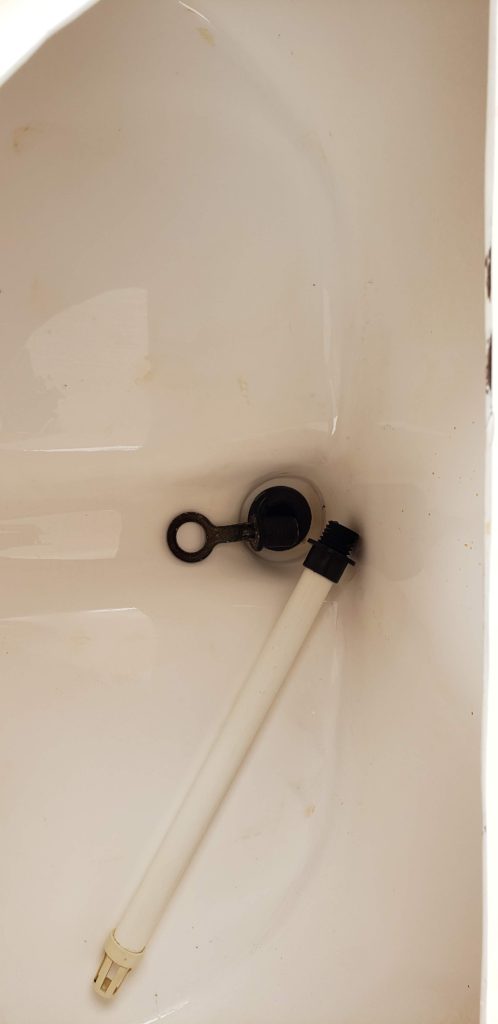
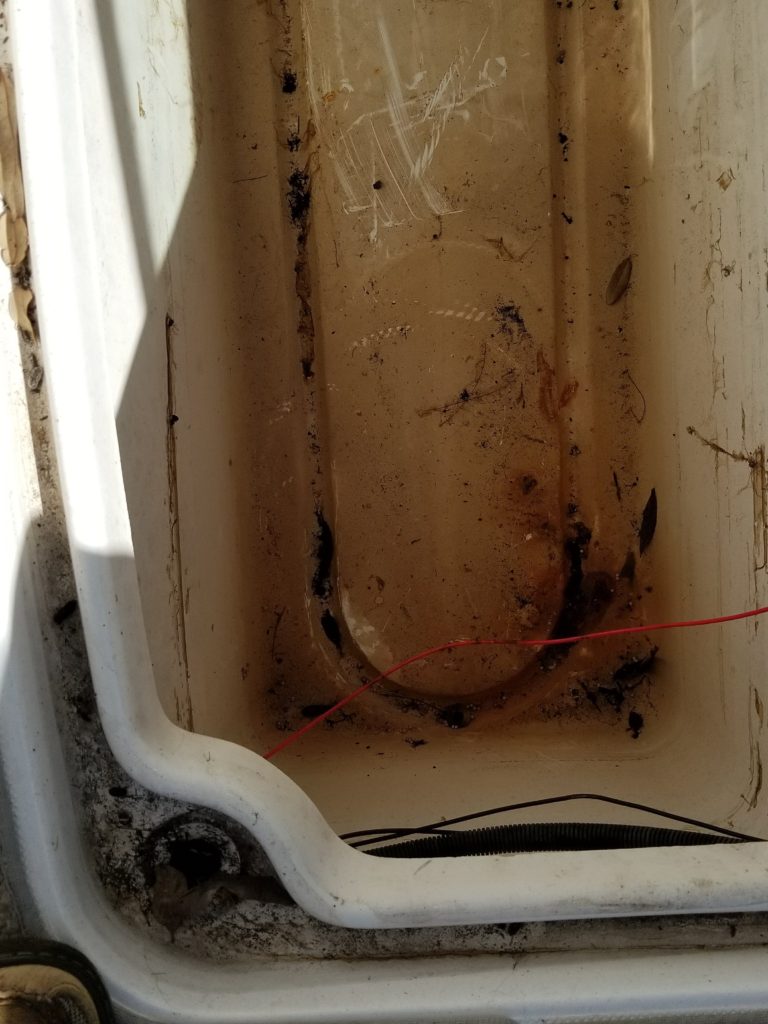
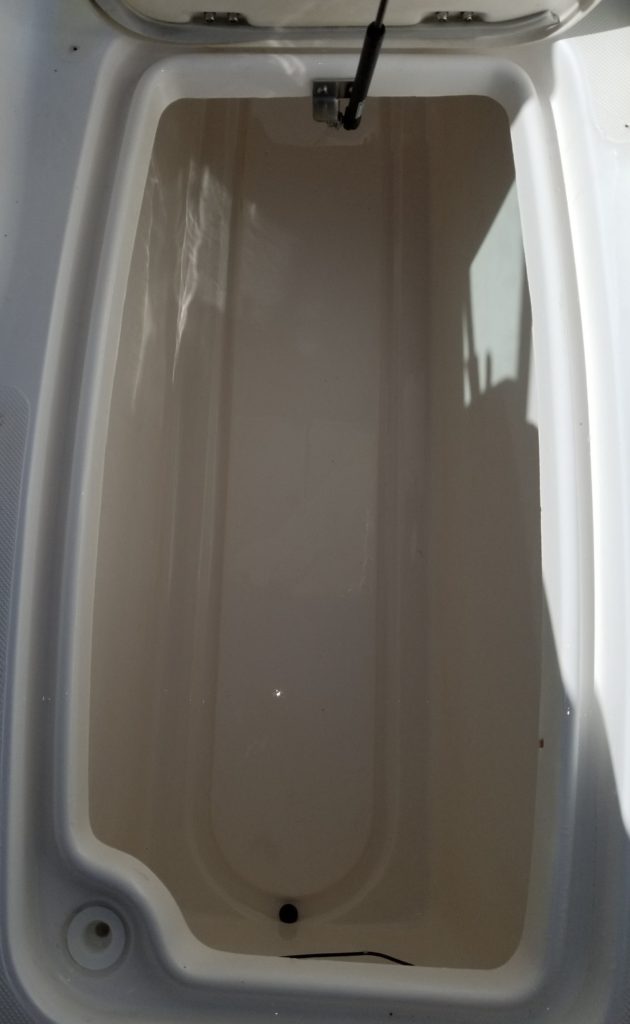
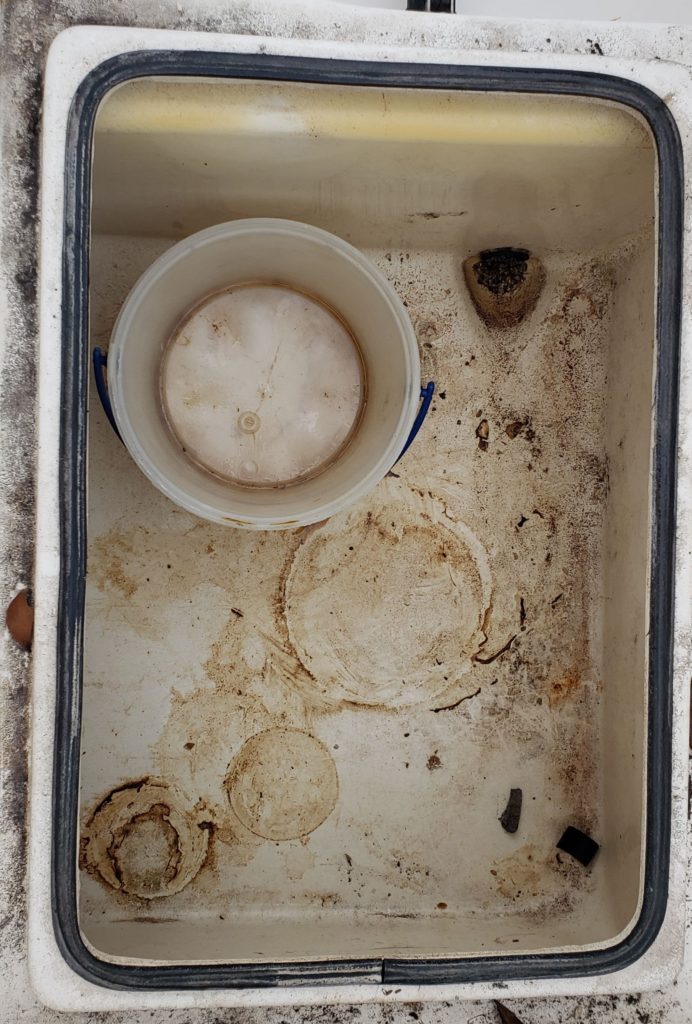
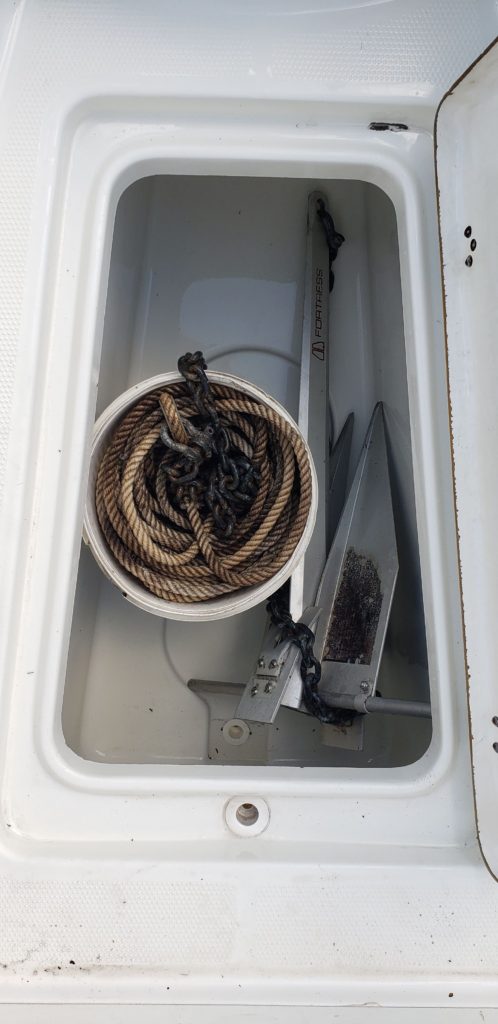
Anchor lockers and covers and compartments used for spare anchors get very dirty and accumulate many rust stains. Here are a few examples.
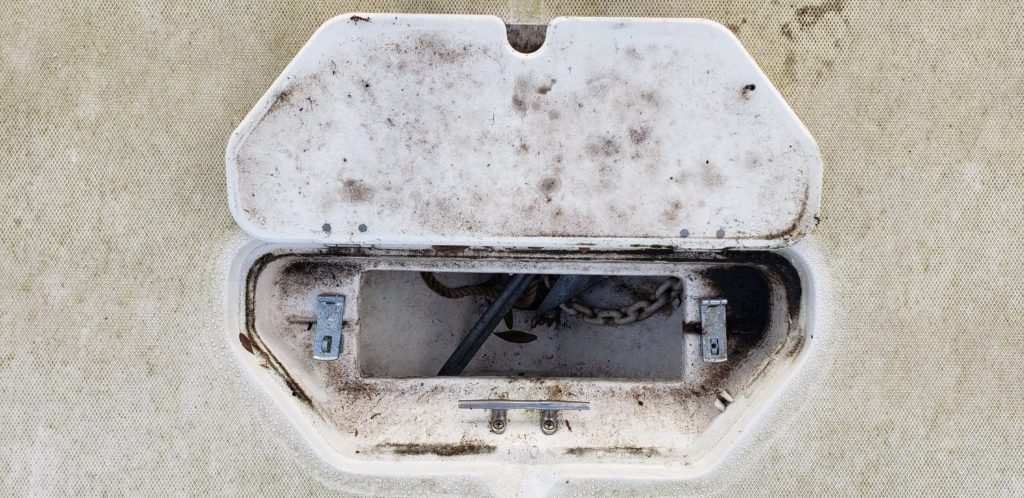
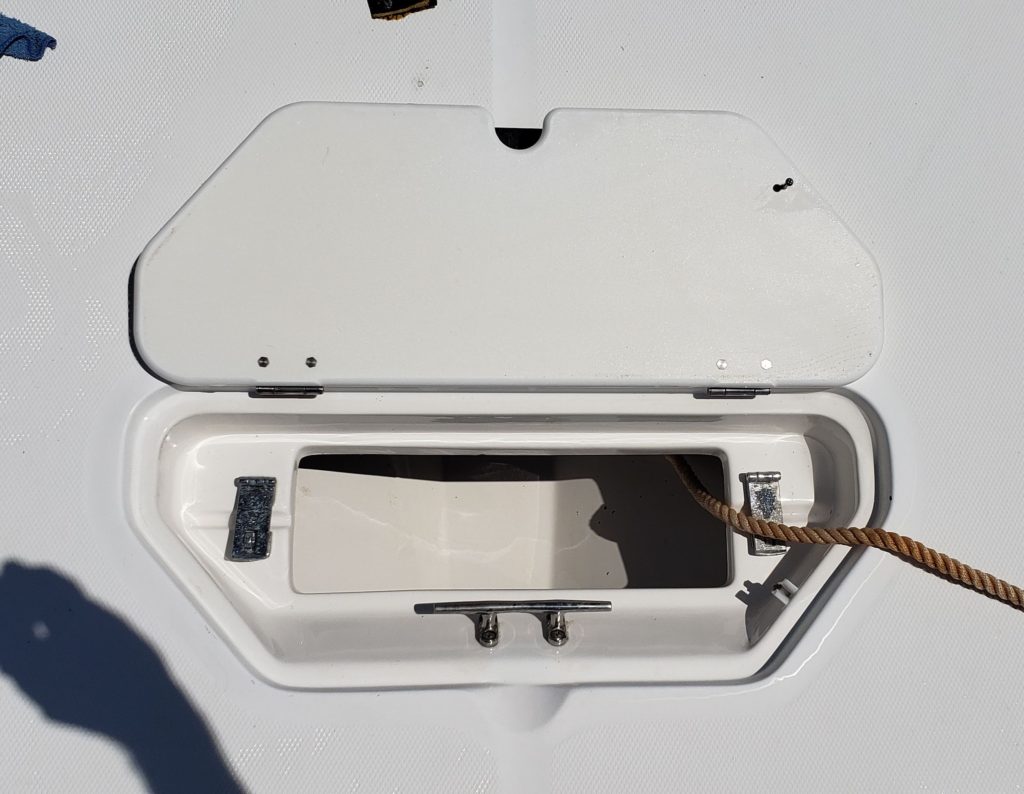
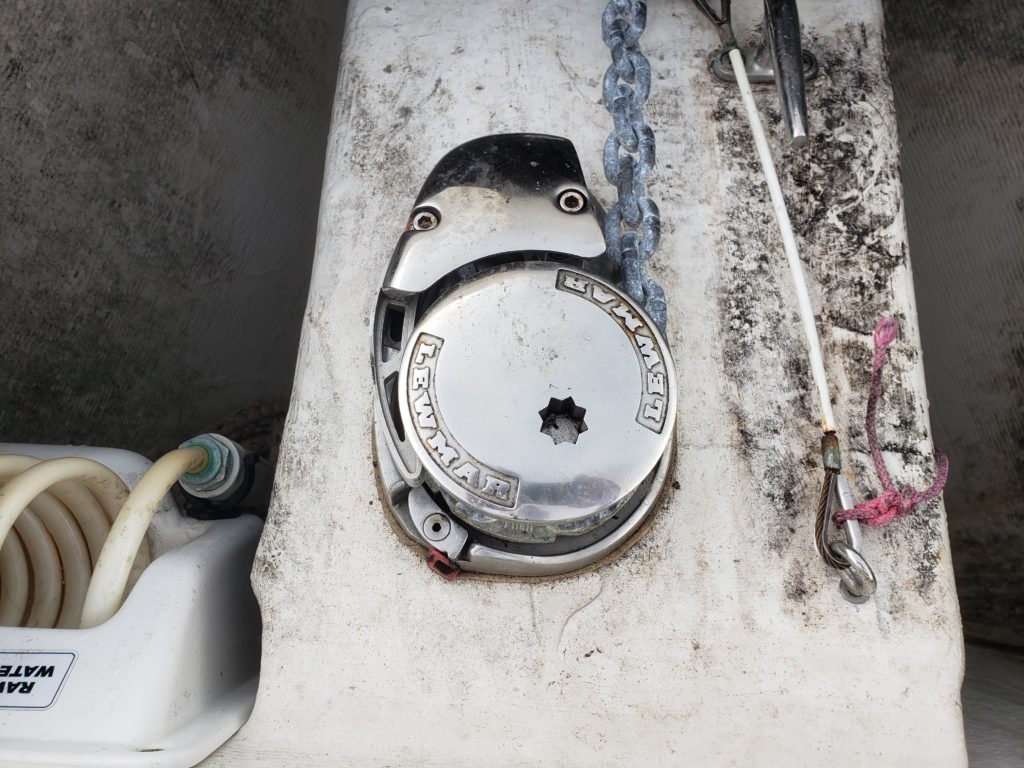
Cobia 344
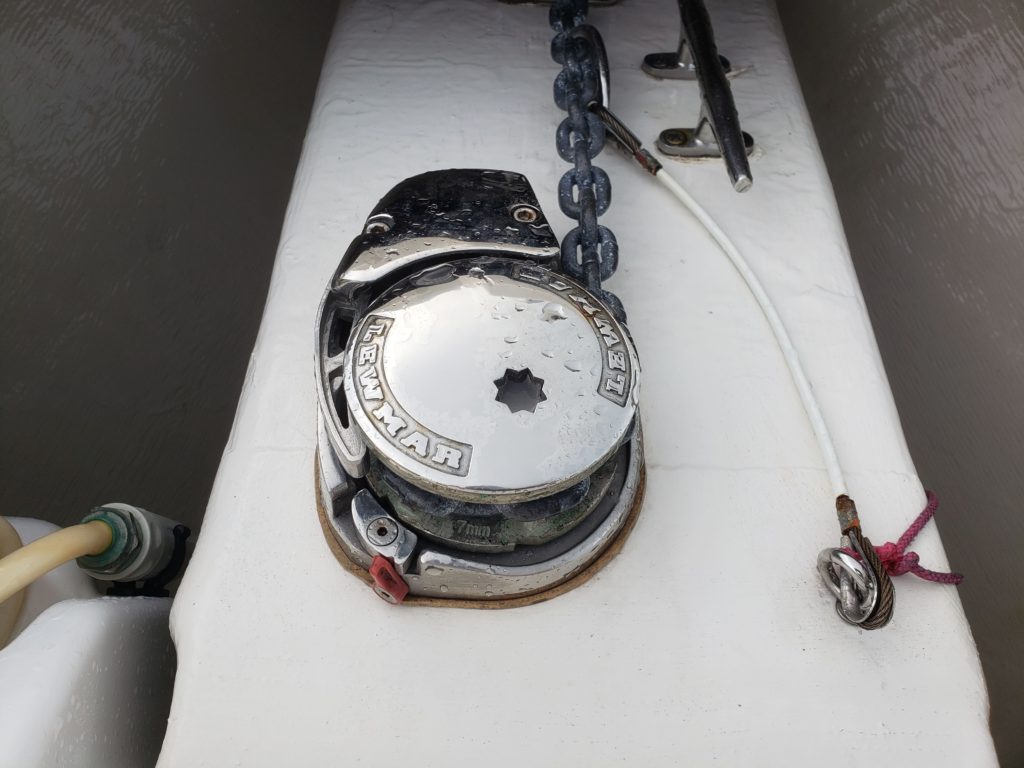
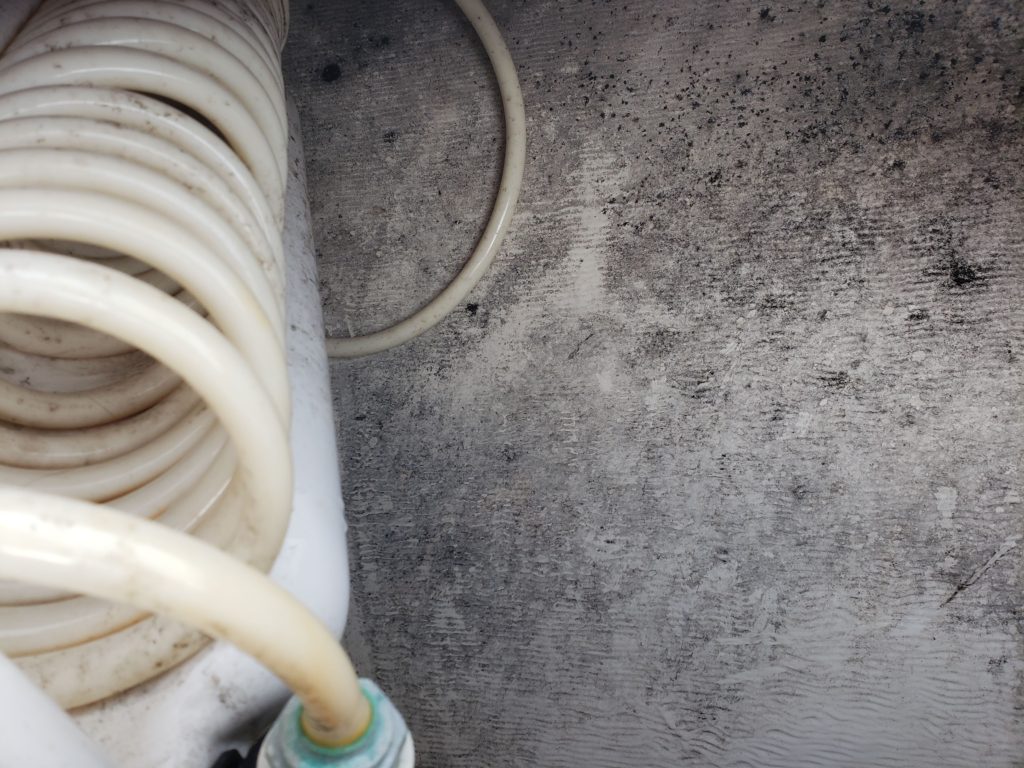
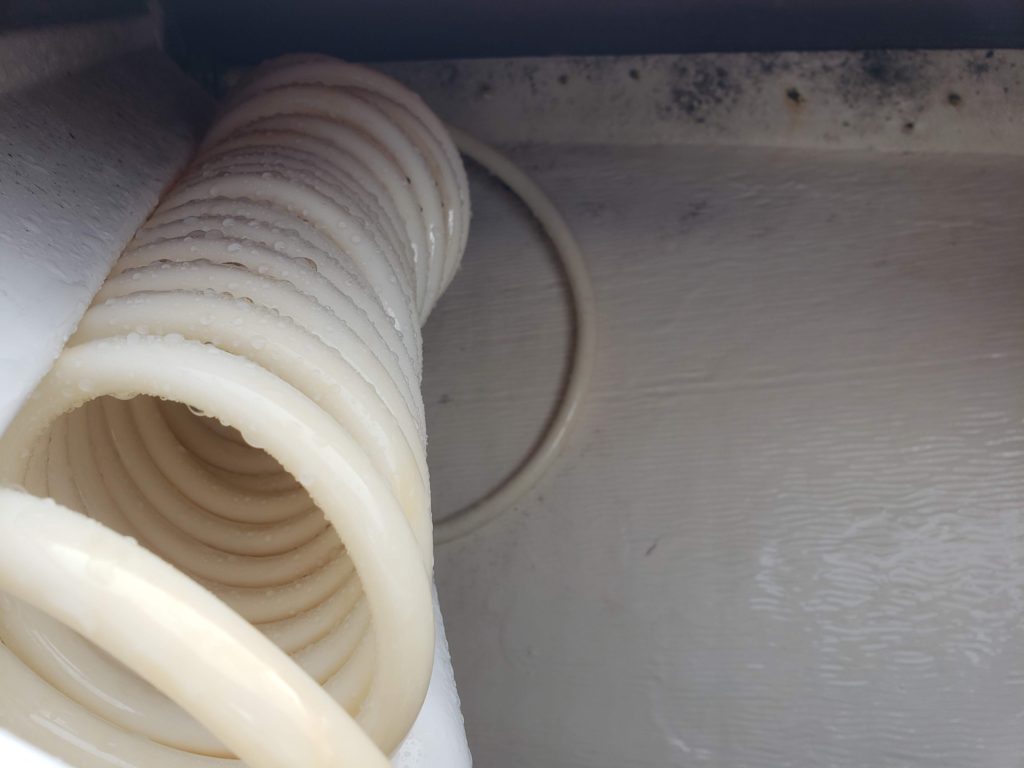
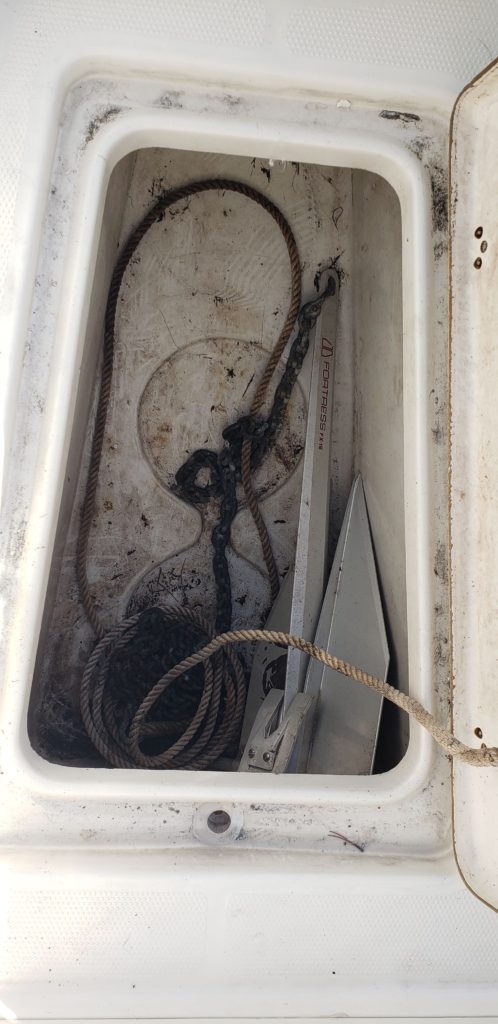
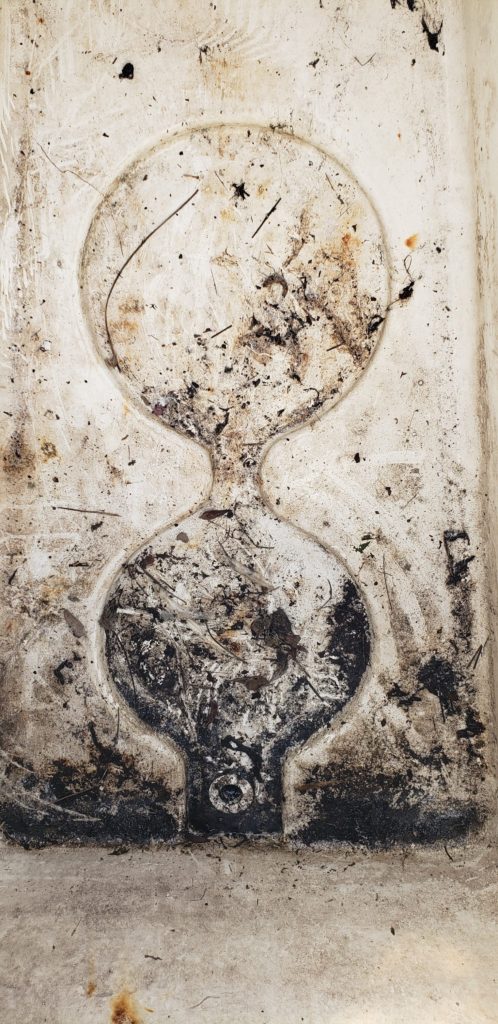
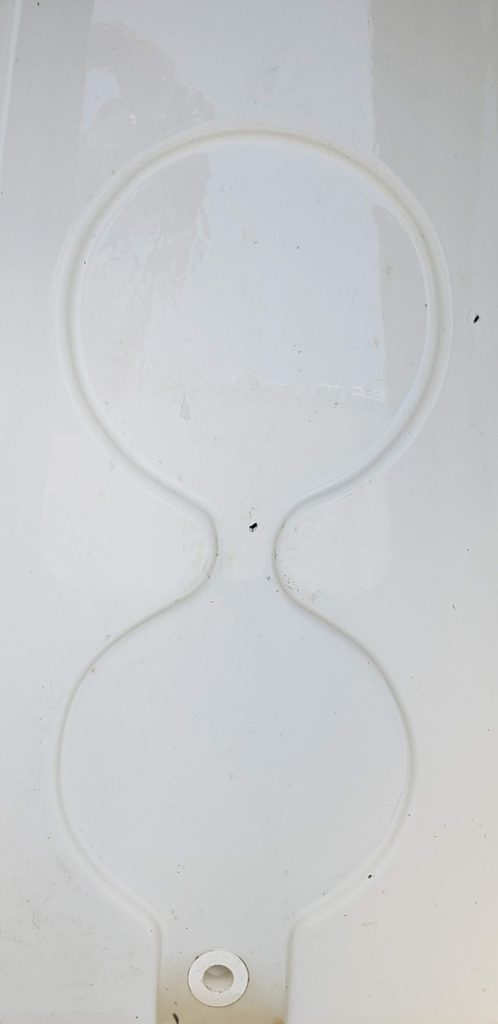
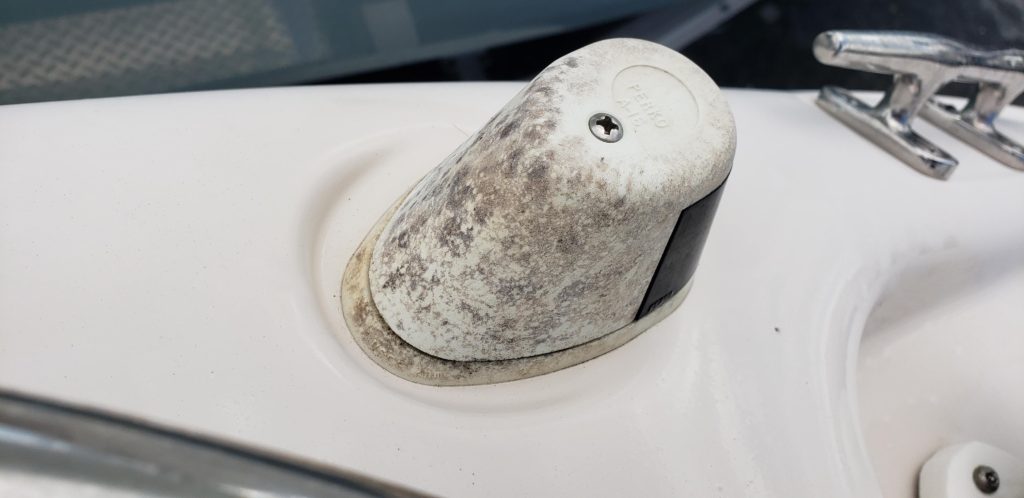
Some types of plastics always seem to attract mildew.
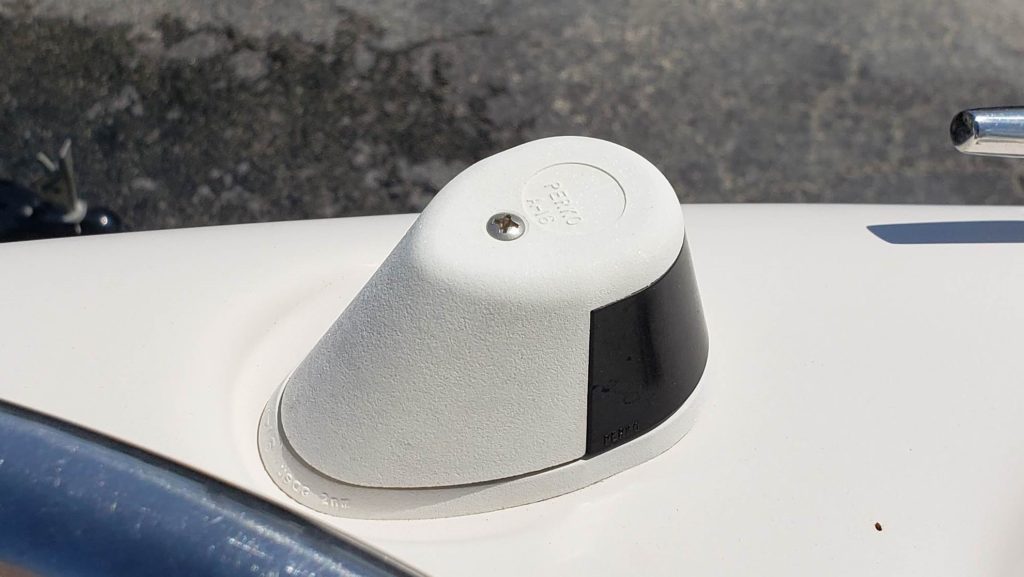
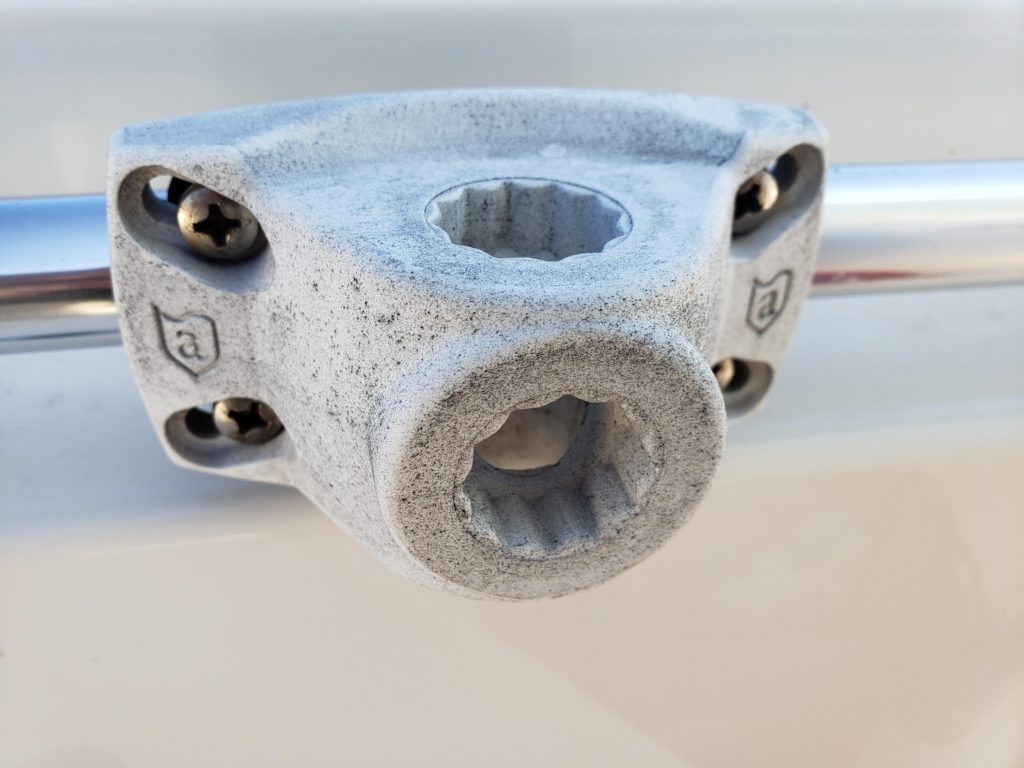
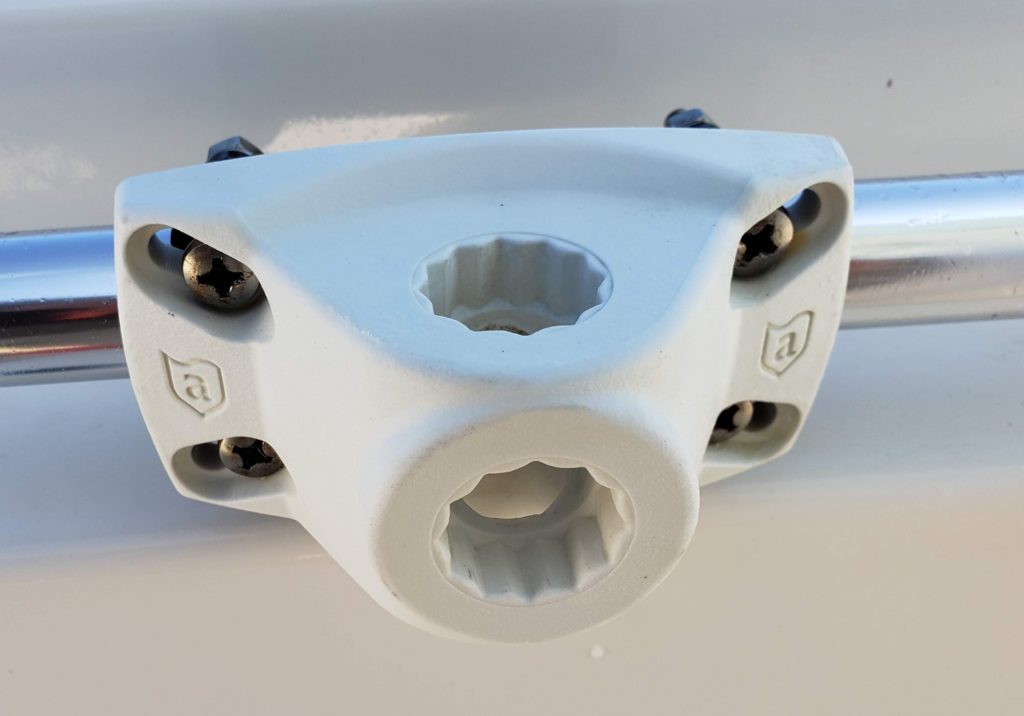
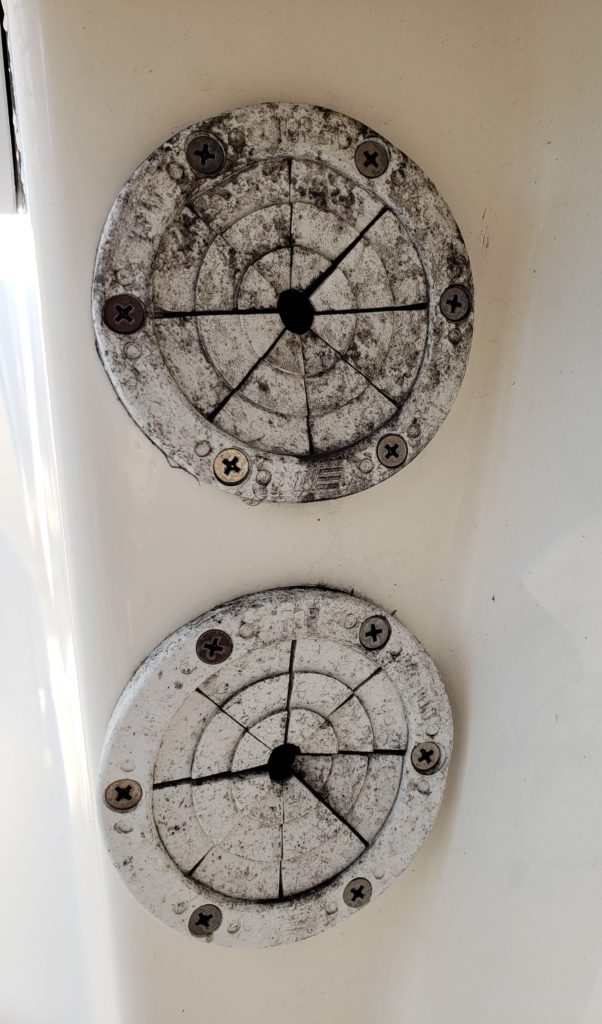
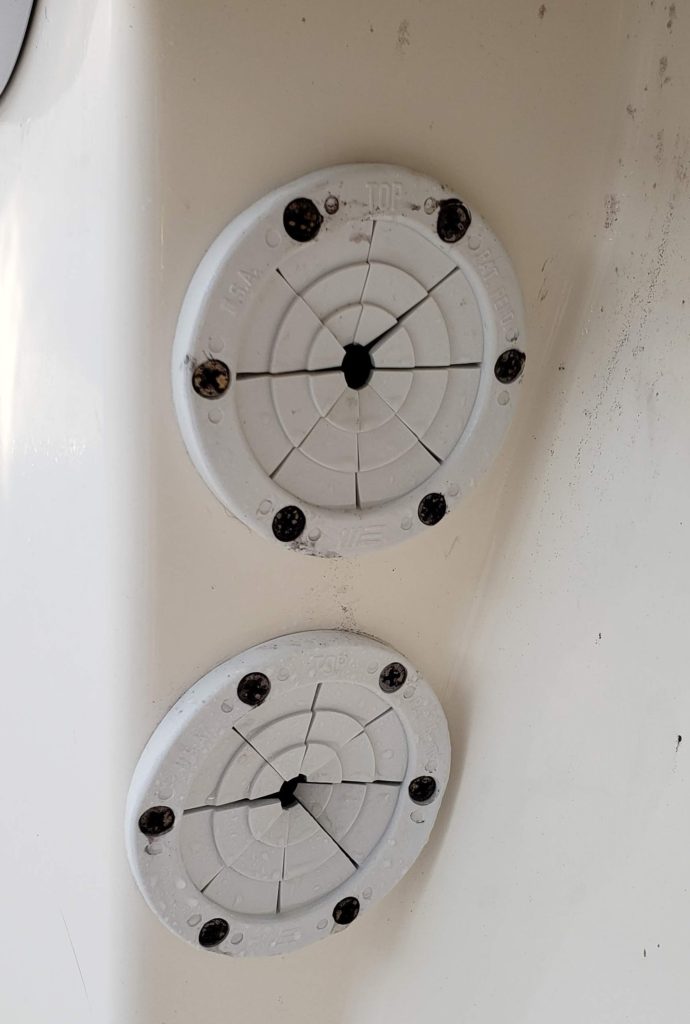
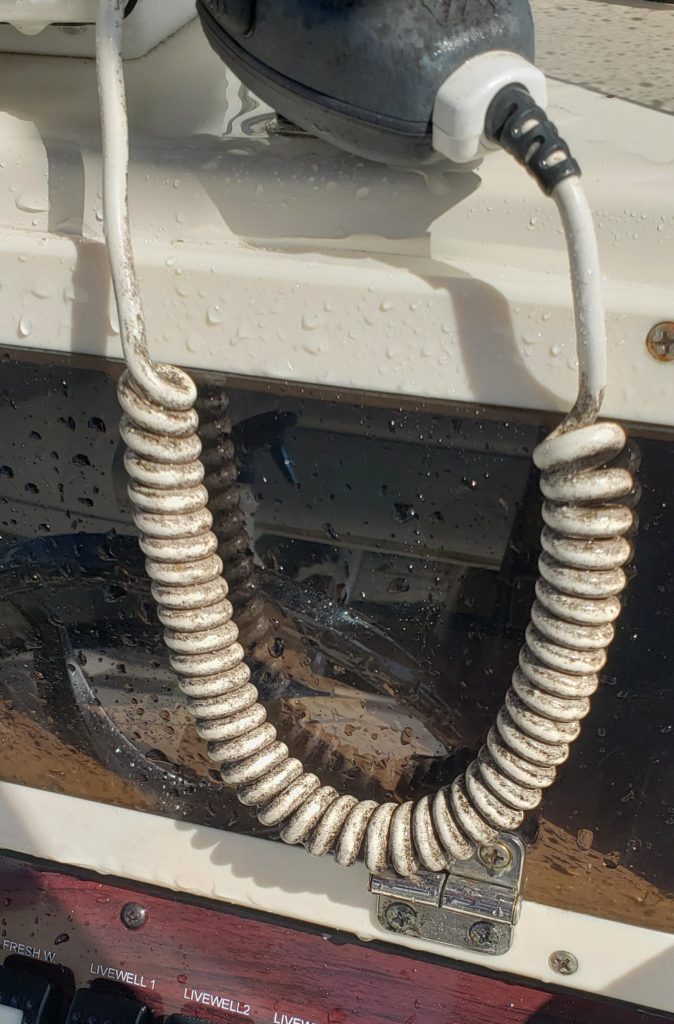
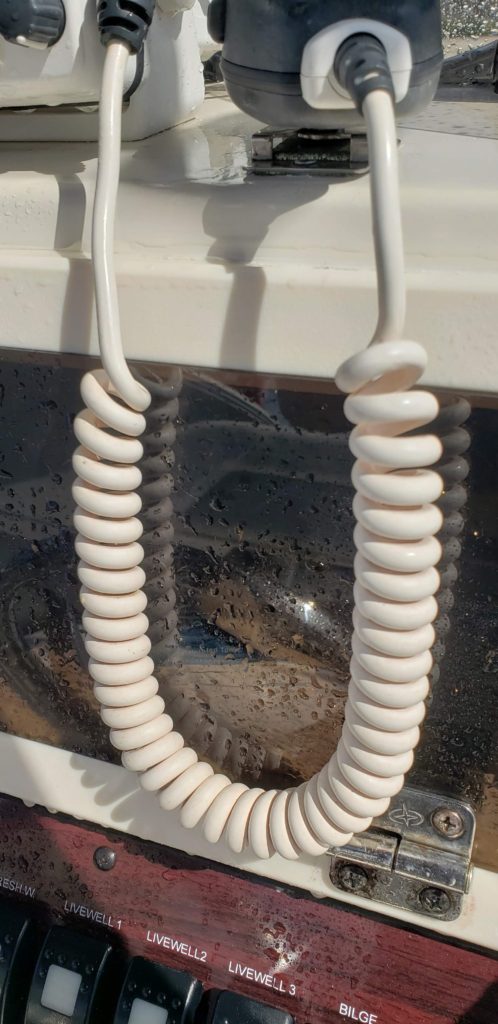
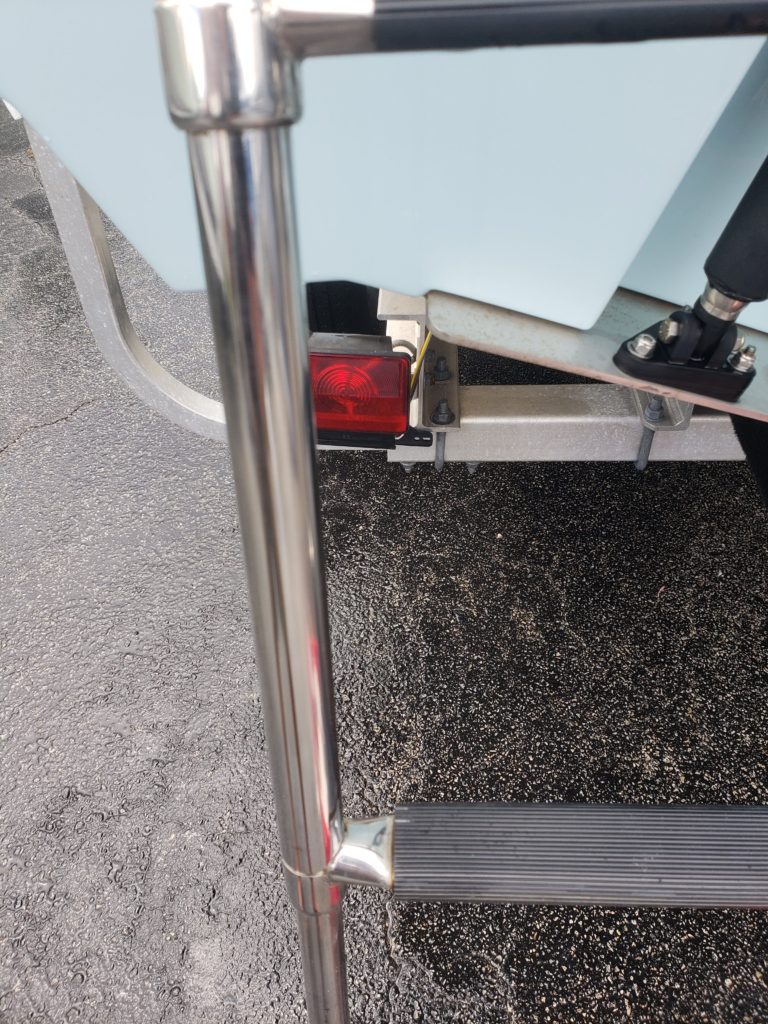
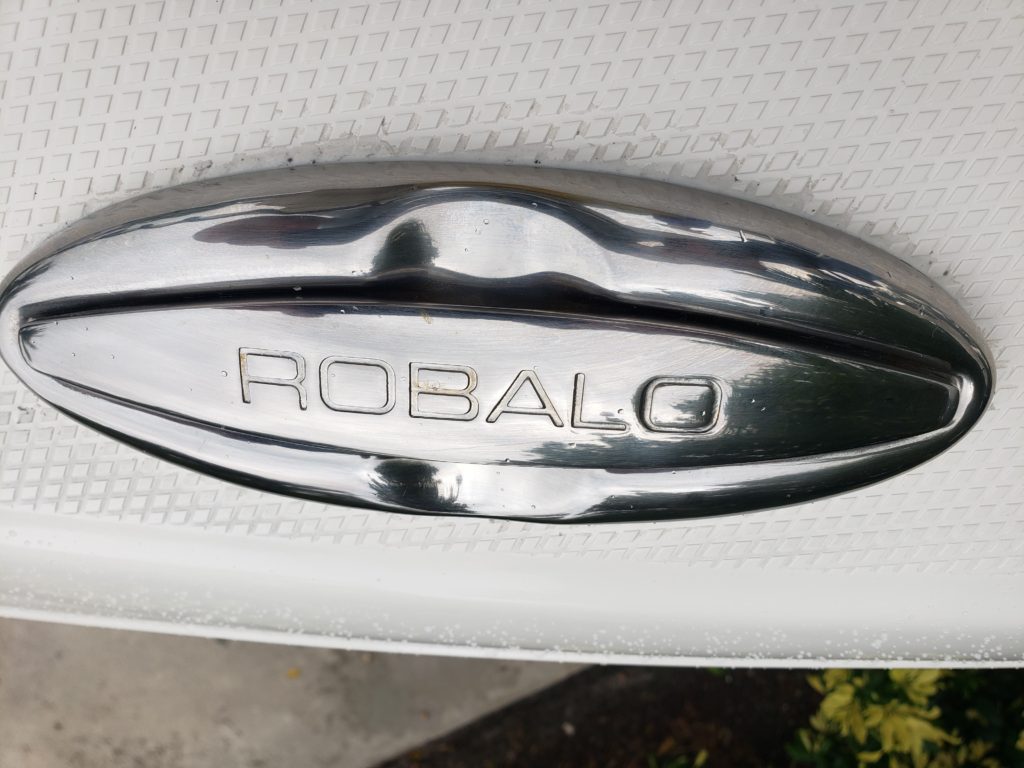
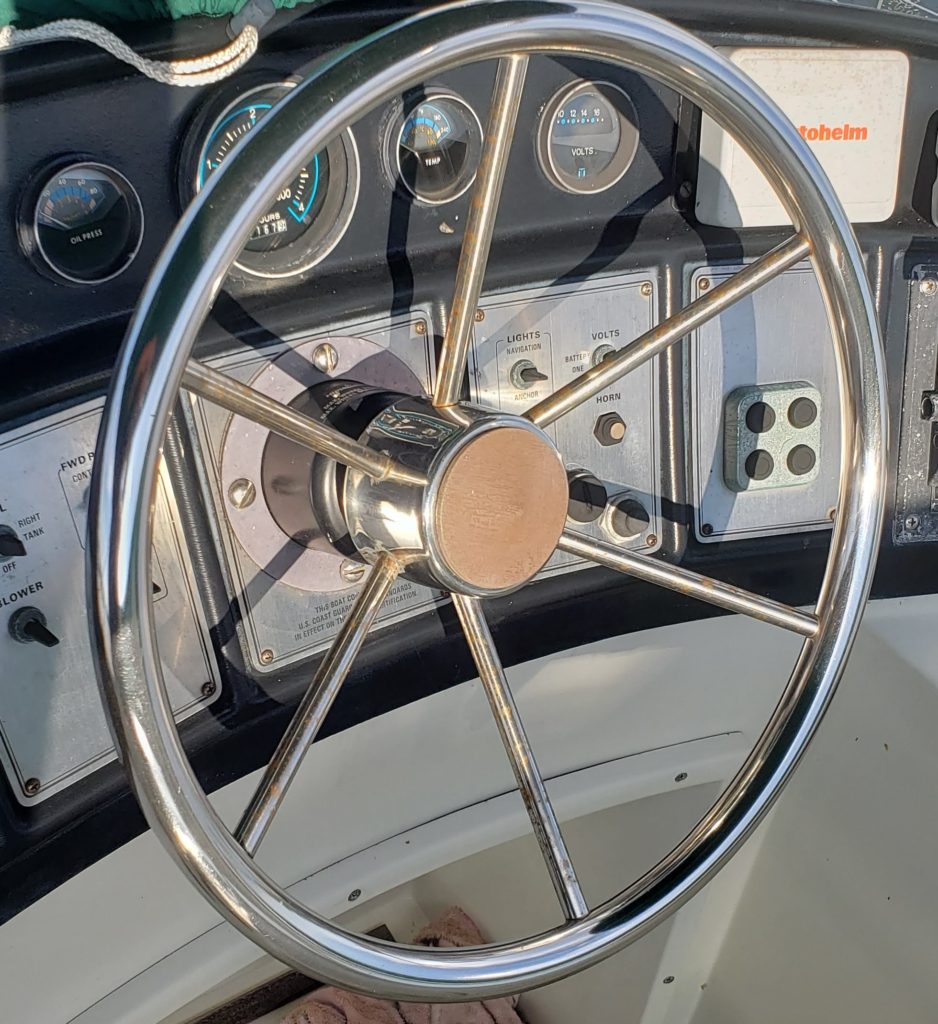
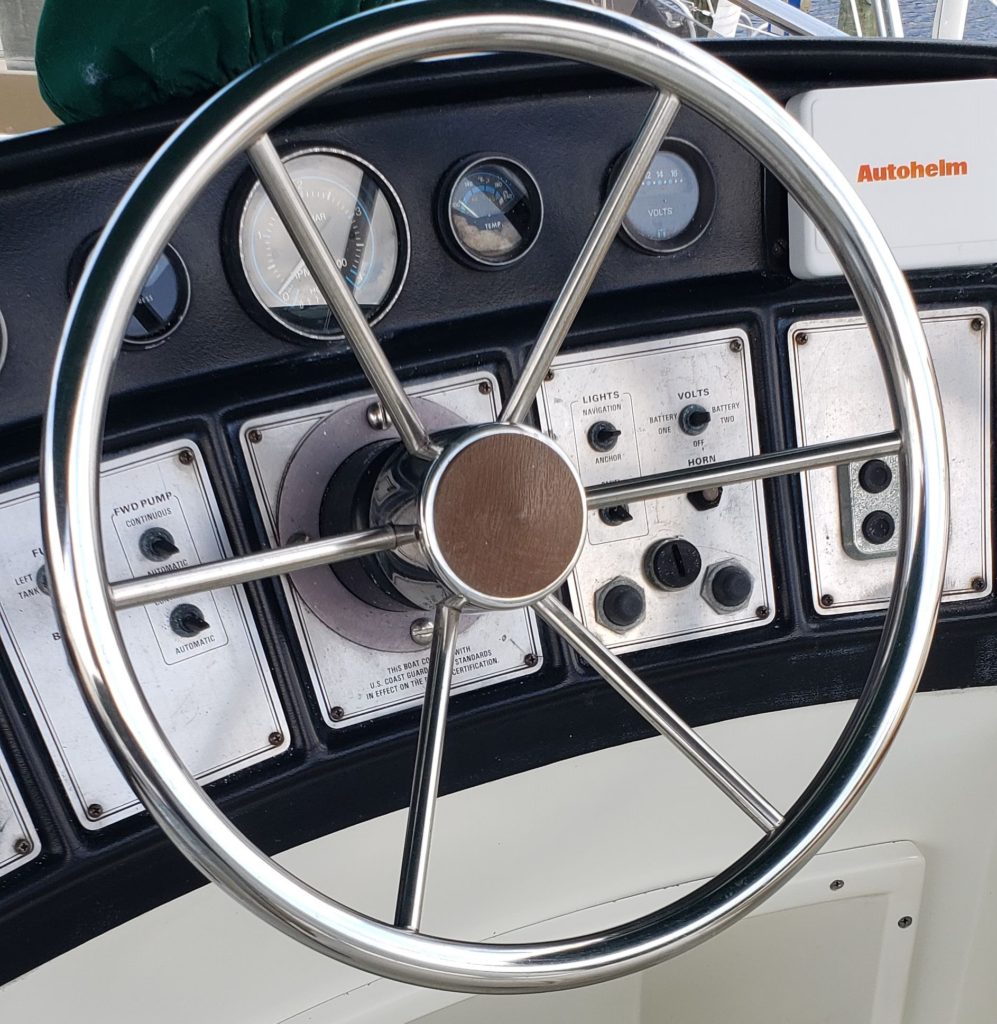
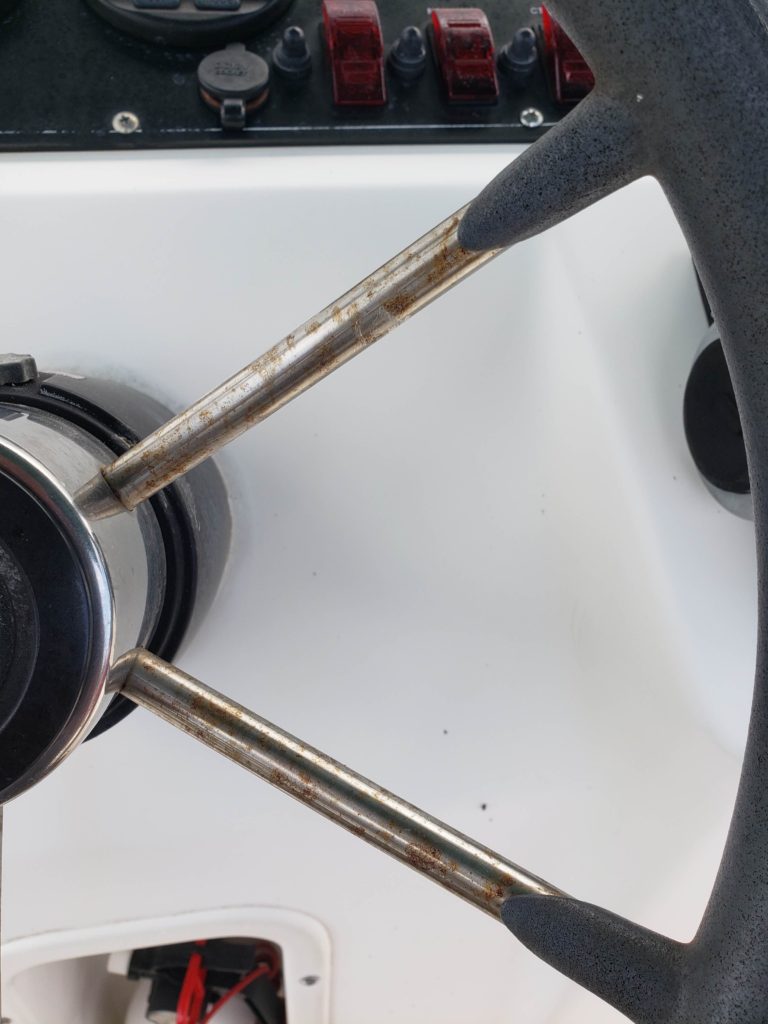
Props and ladders inevitably become rusty. We often do not think about rinsing them off or checking them. In fact, everything shinny will rust, even screws and nuts. Rust makes a boat look old.
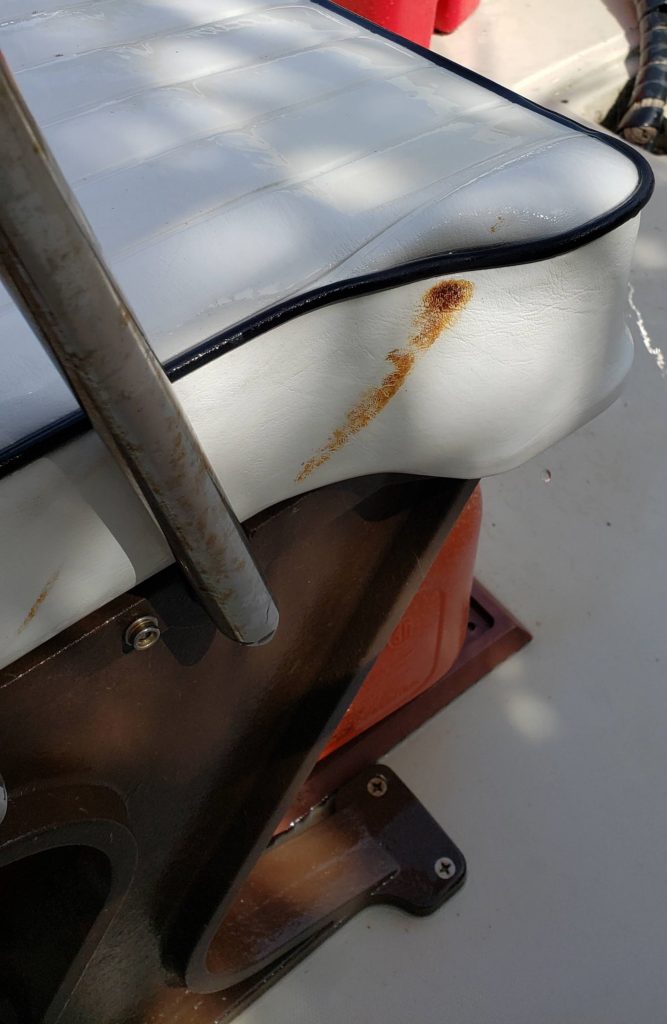
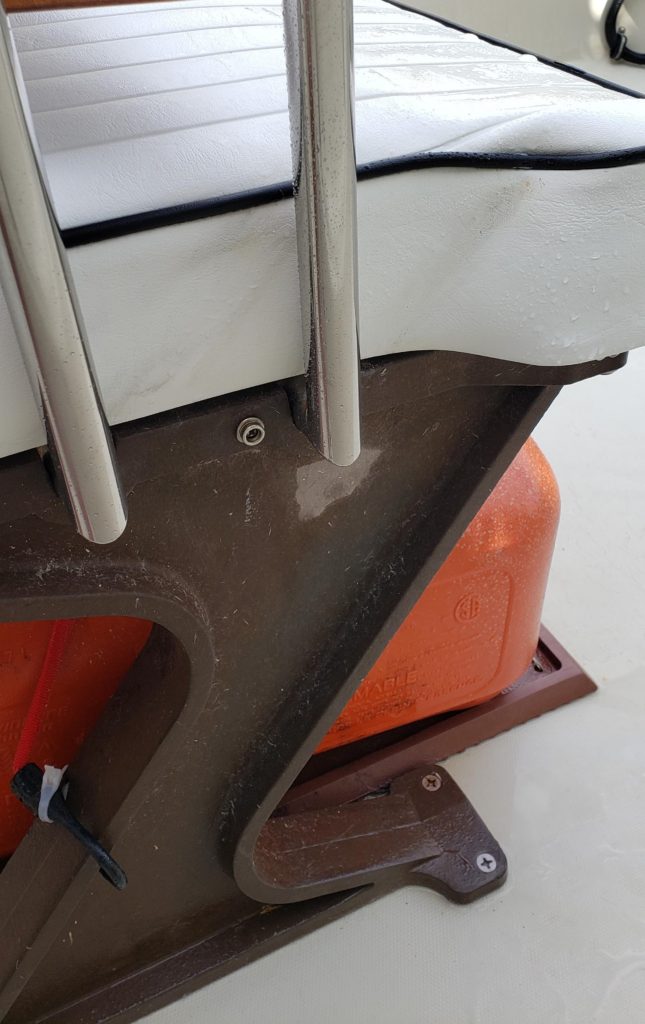
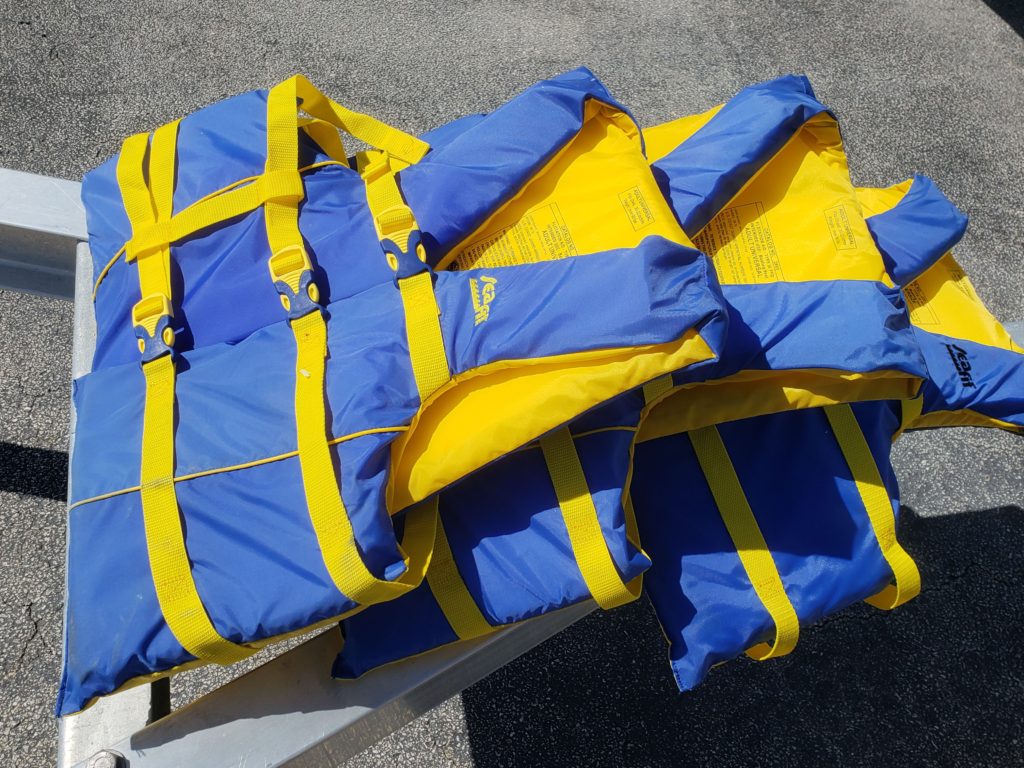
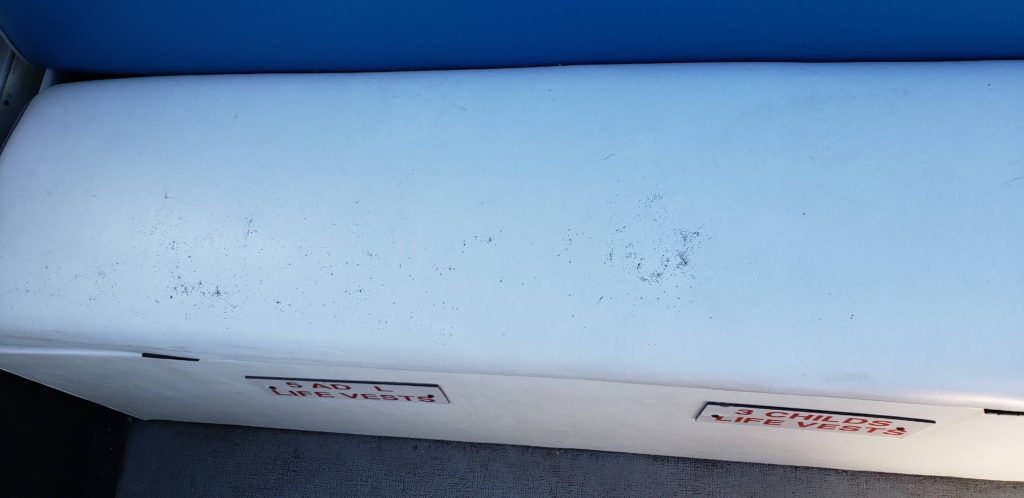
Unseen victim to mildew are safety bags and life jackets. Normally they are stored in a compartment for years.
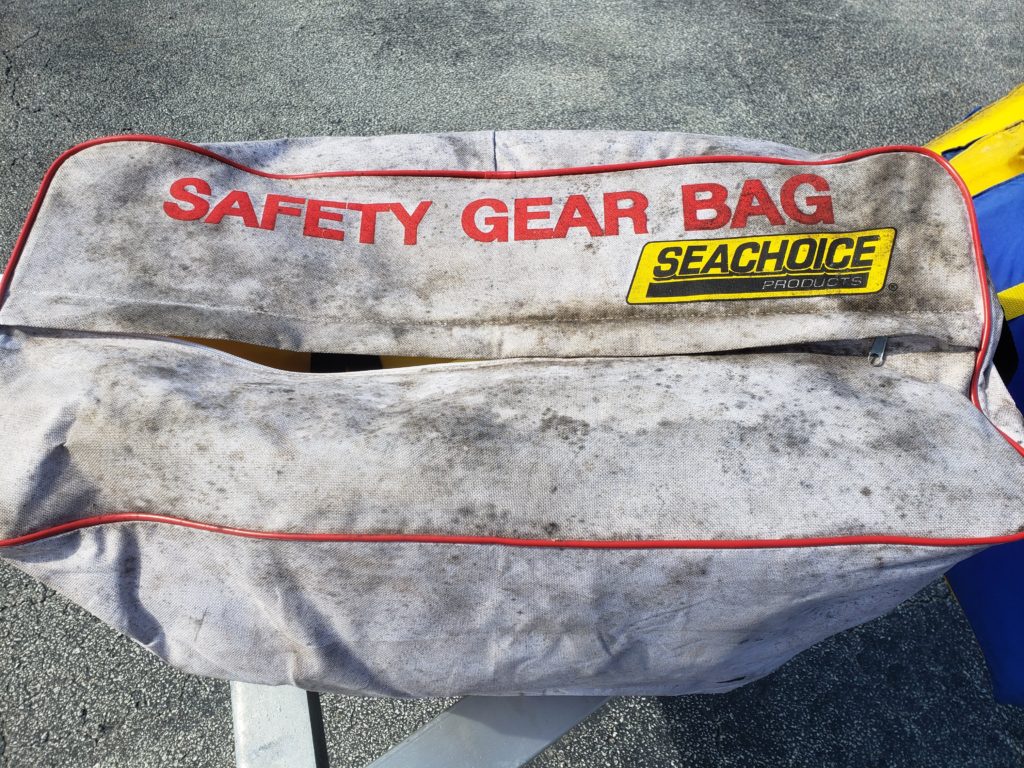
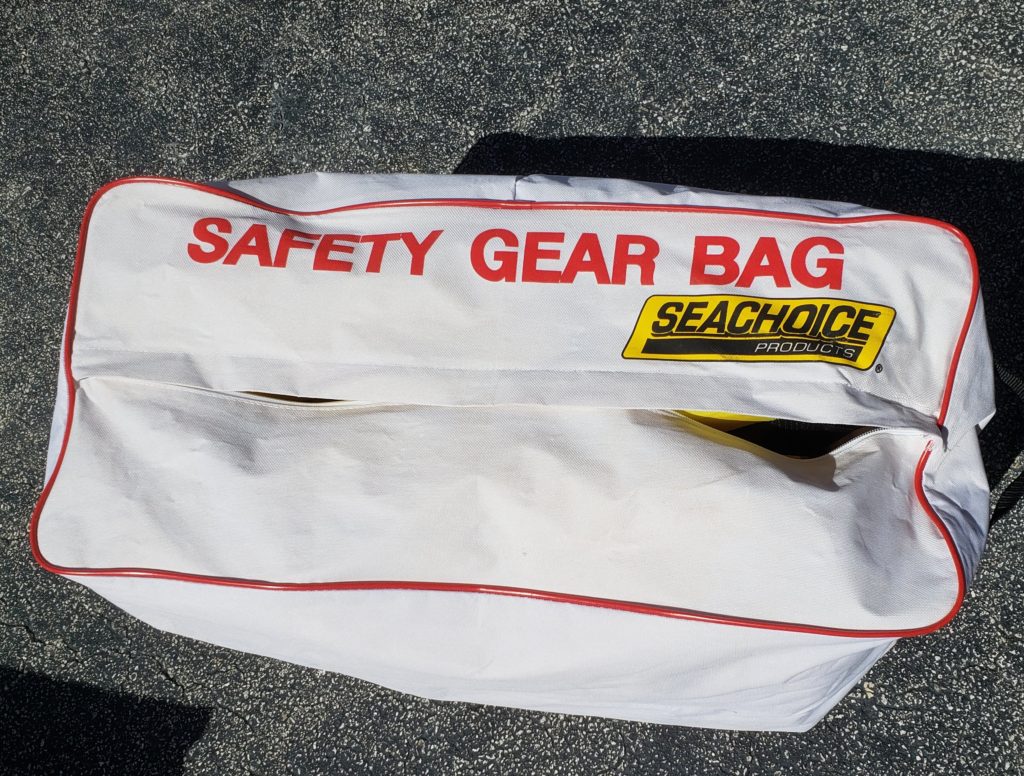
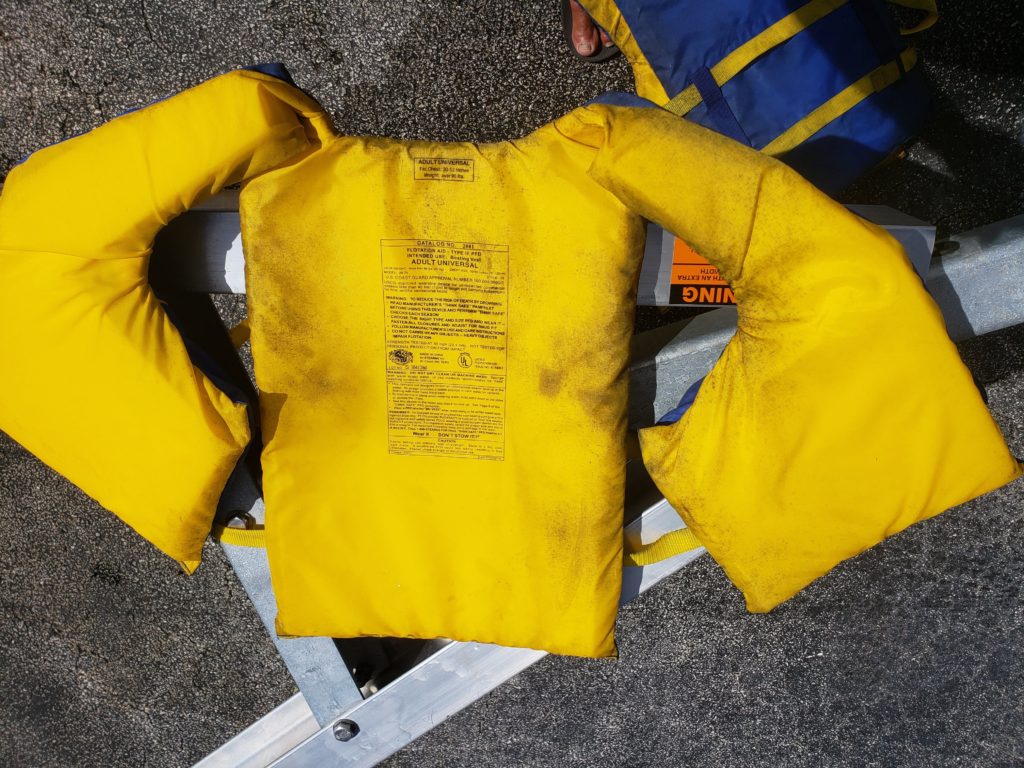
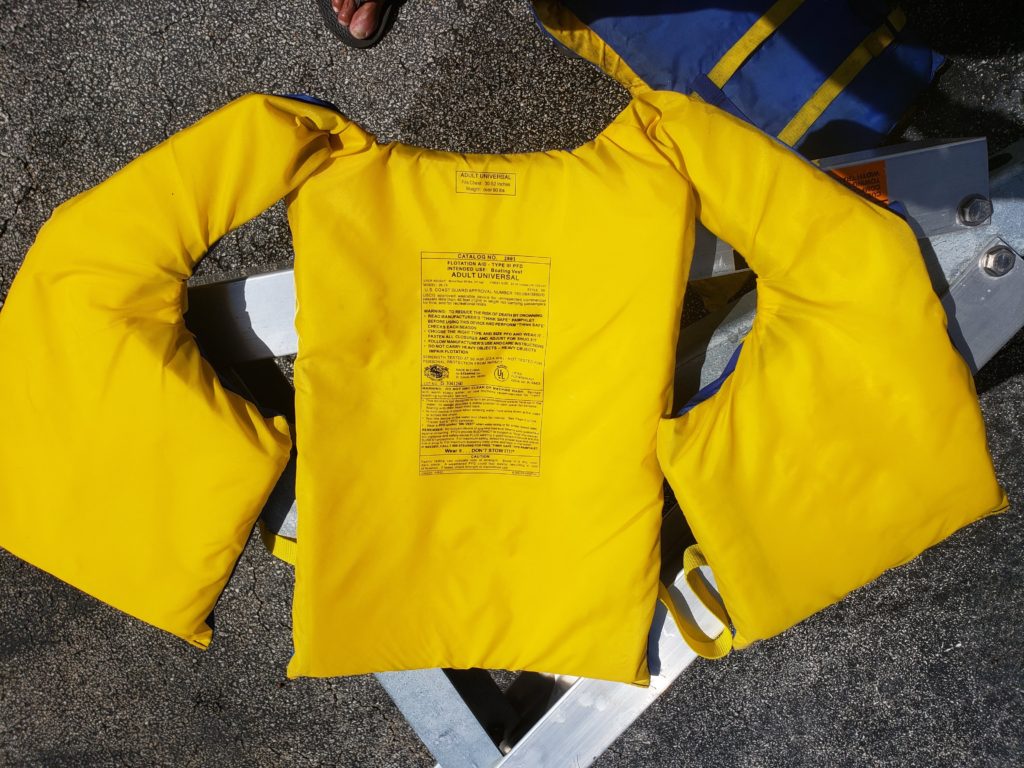
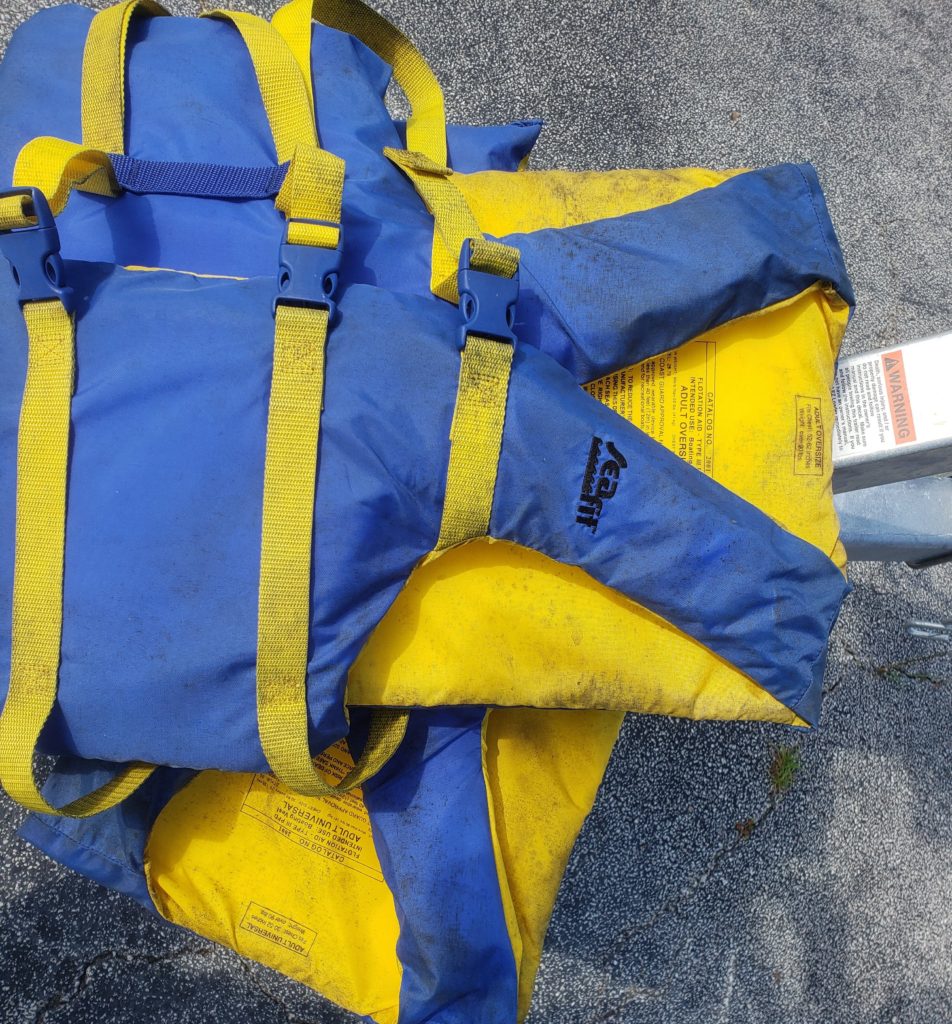
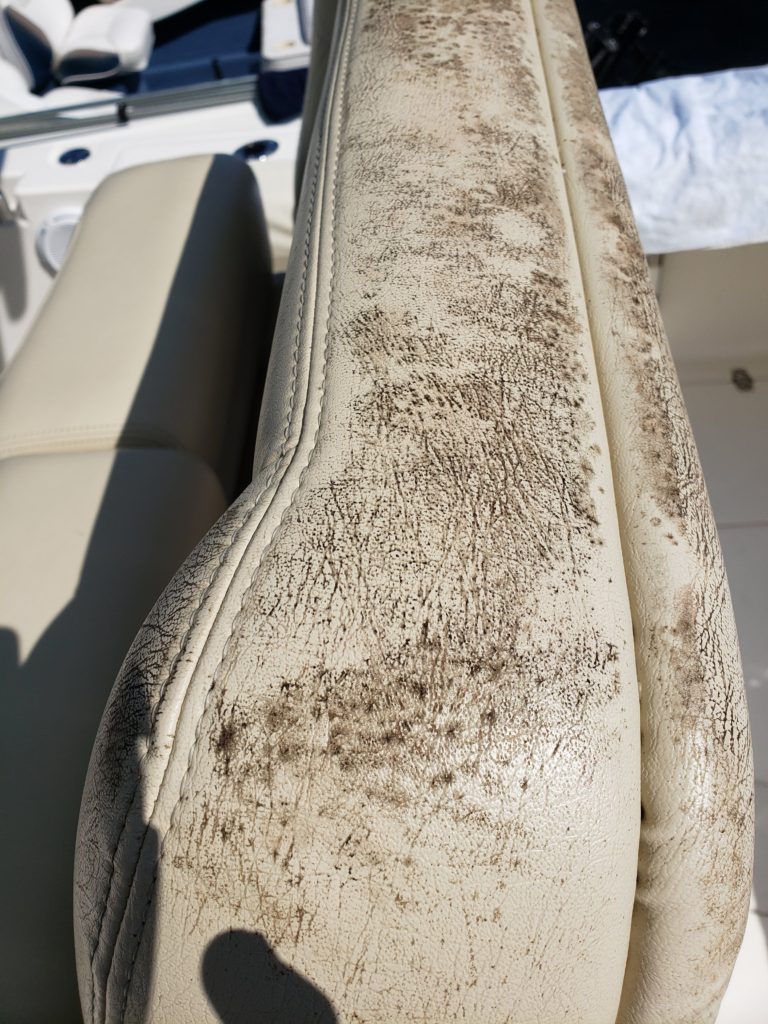
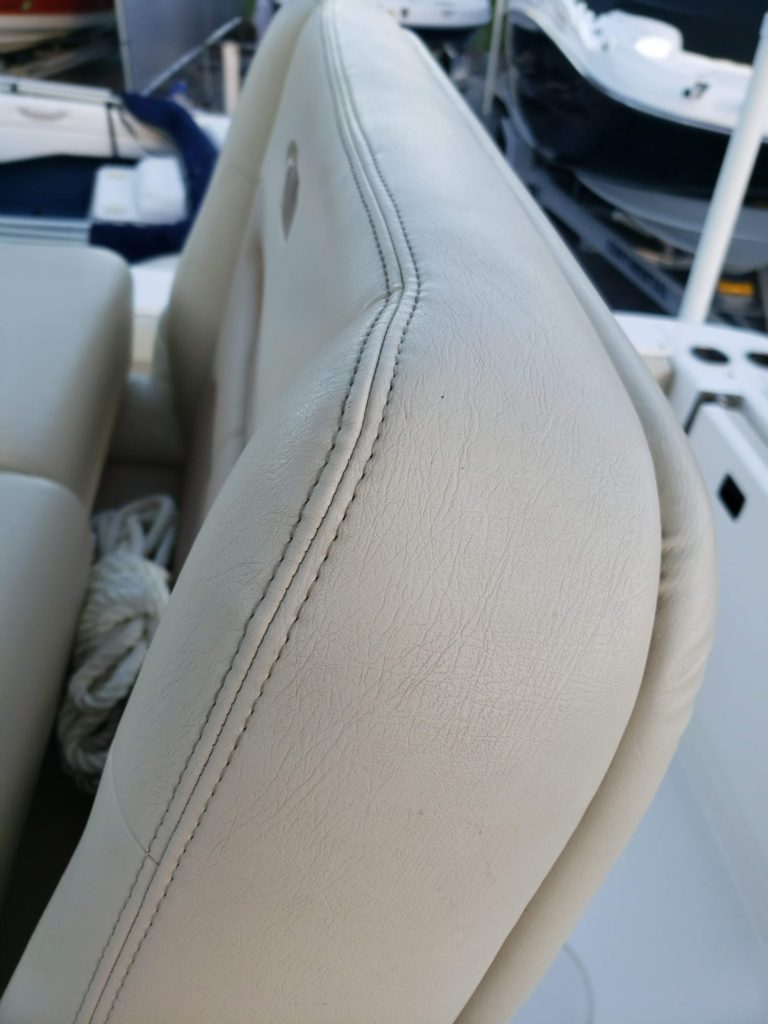
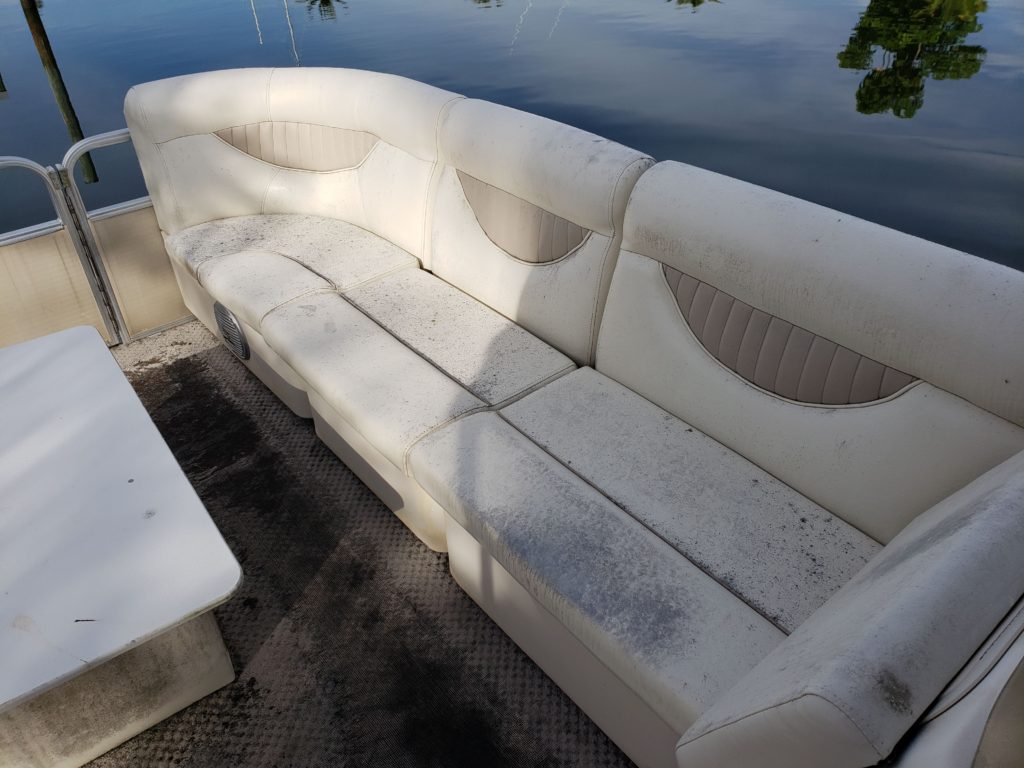
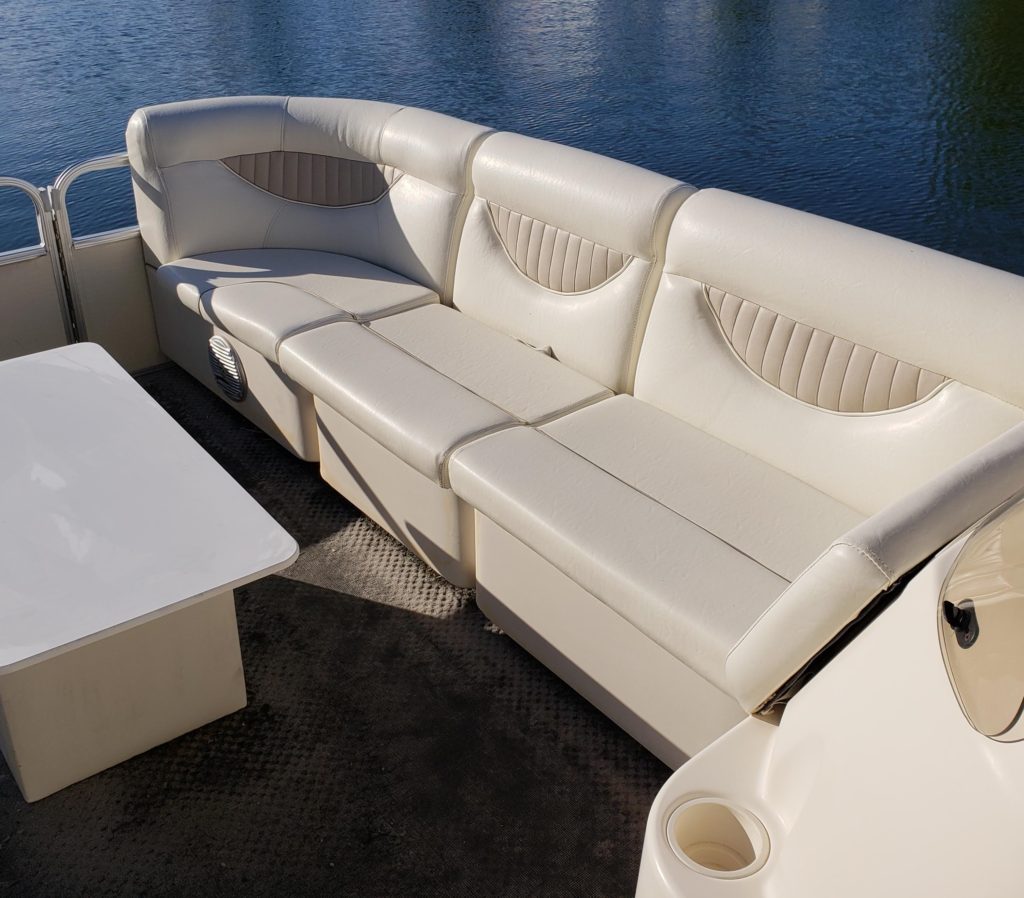
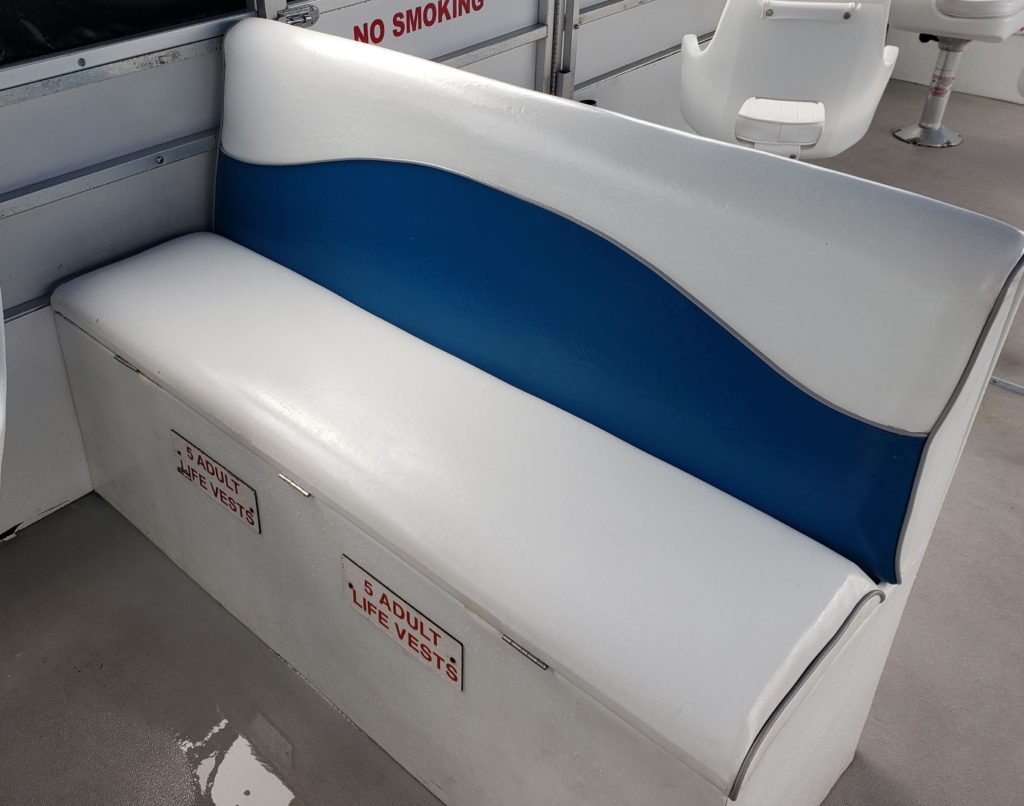
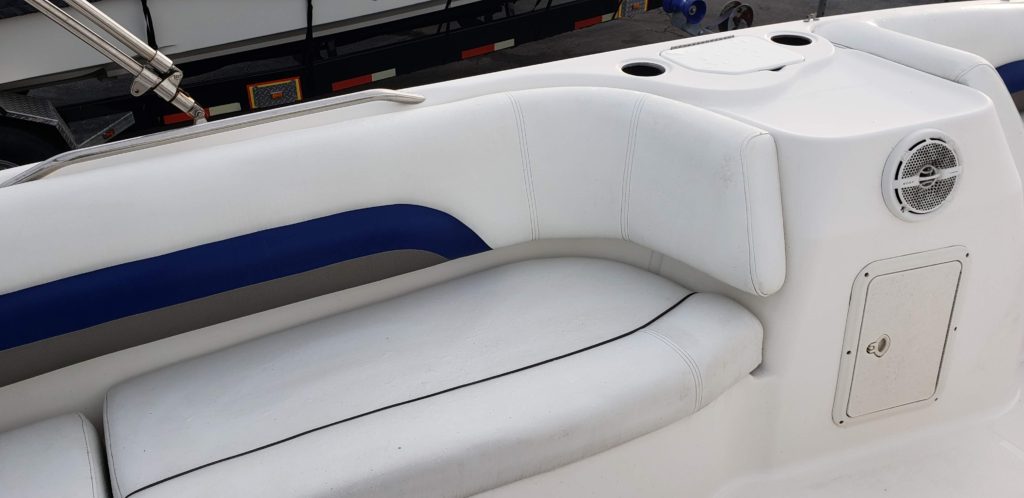
Both vinyl and canvass turn ugly with the mildew if they are not washed and cleaned periodically. Otherwise, it is a major effort to rid them of the mildew.
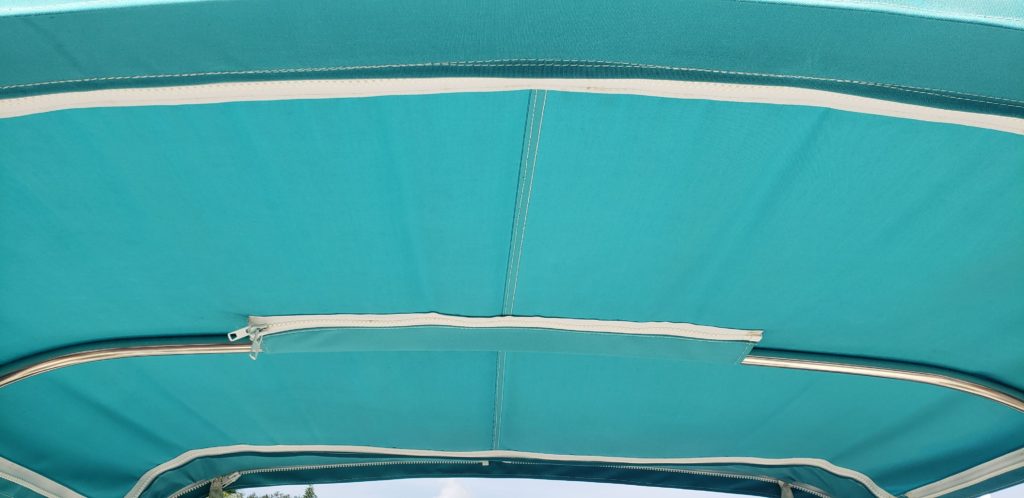
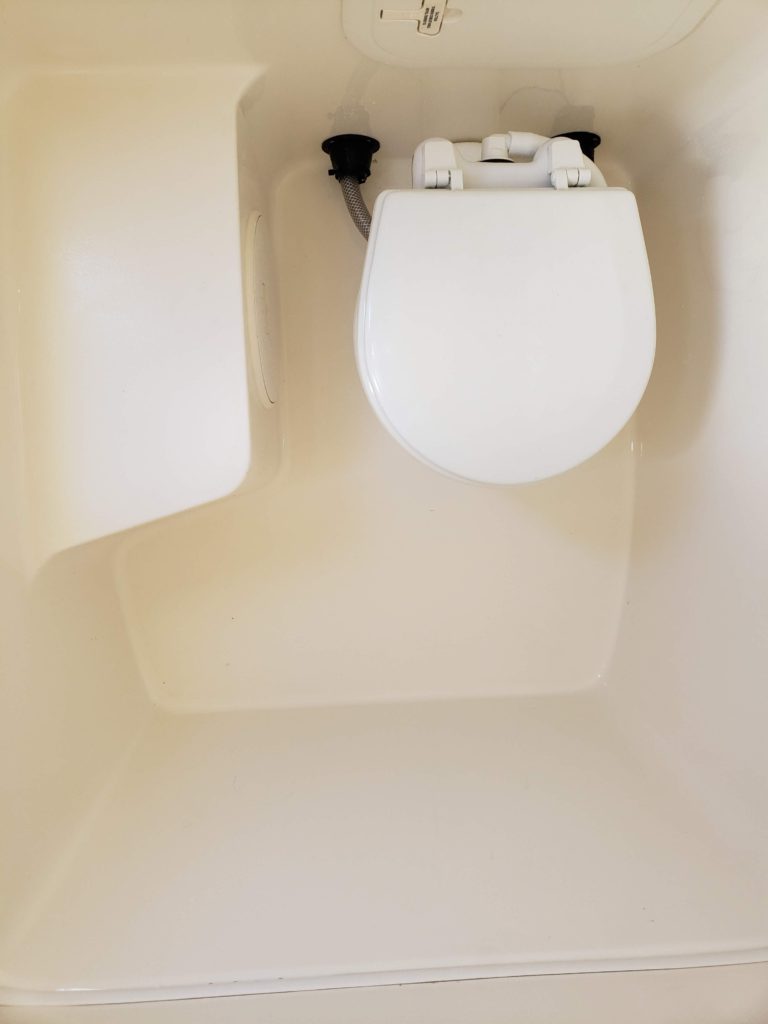
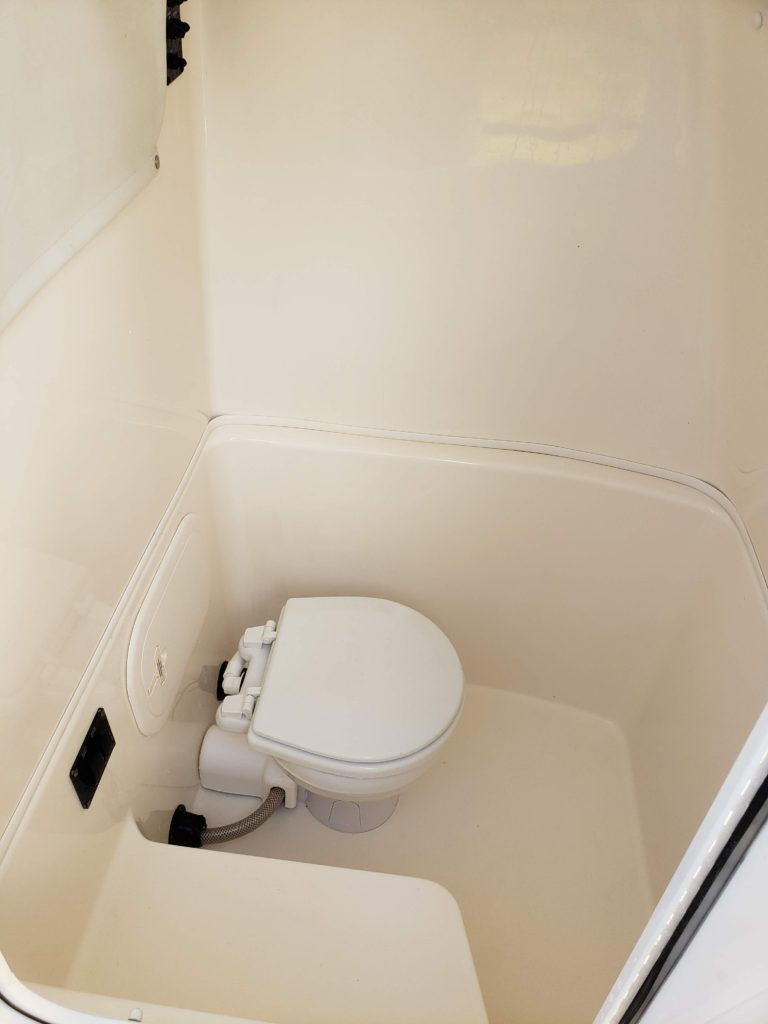
Heads, like hatches, are enclosed and accumulate mildew.
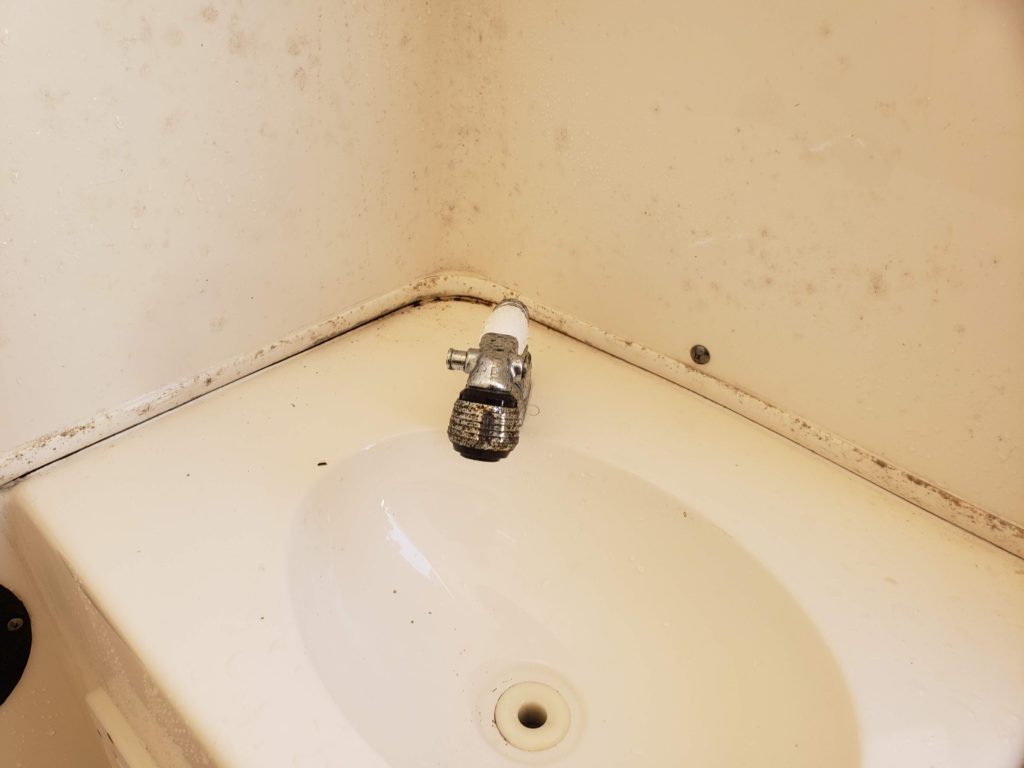
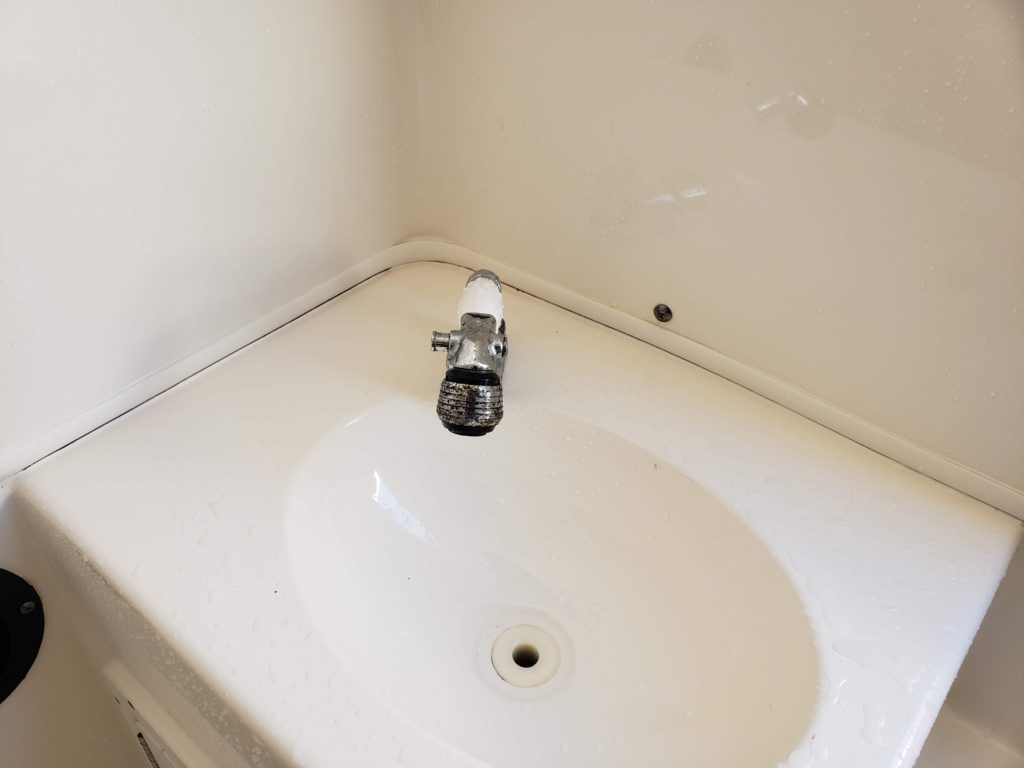
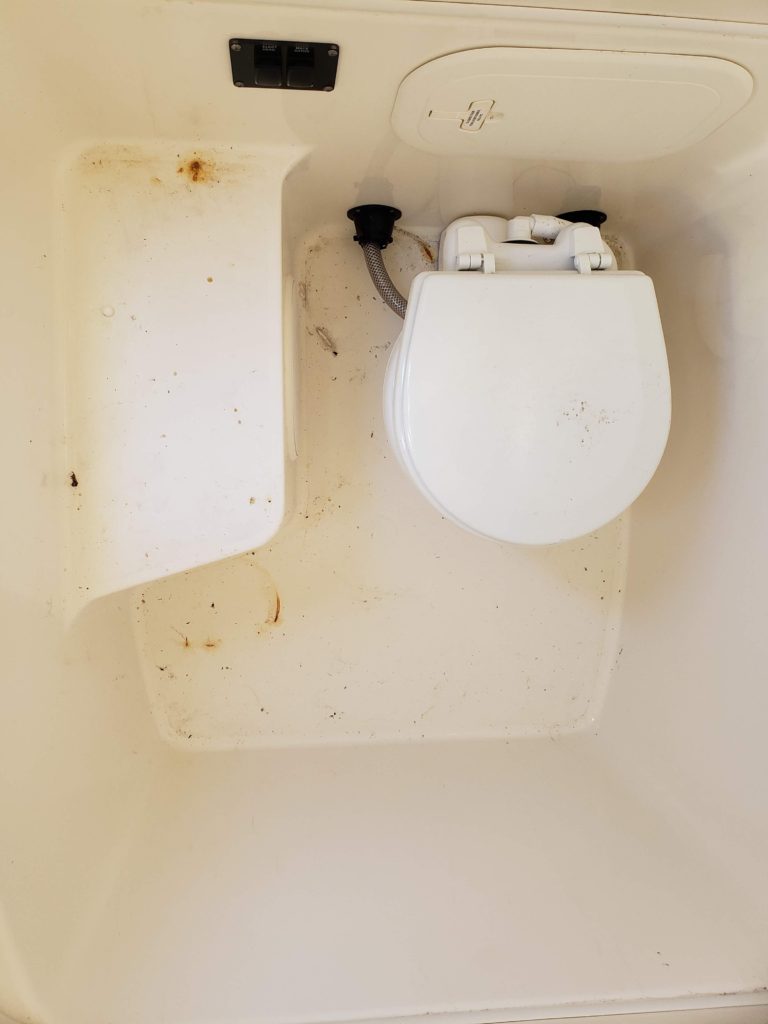
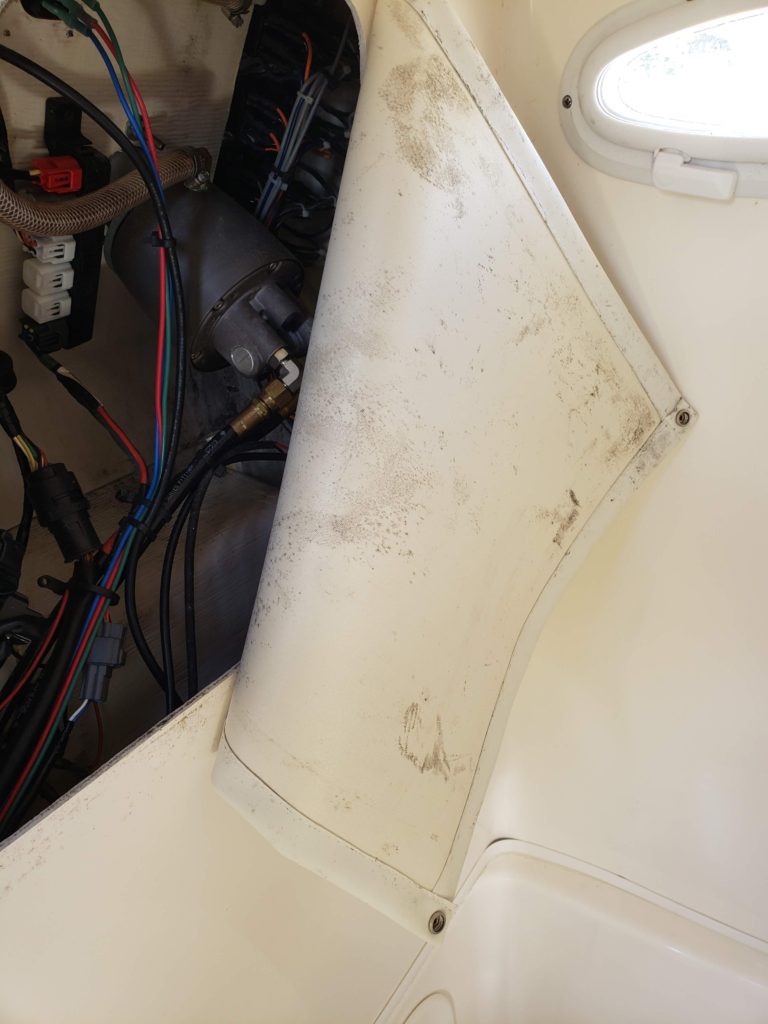
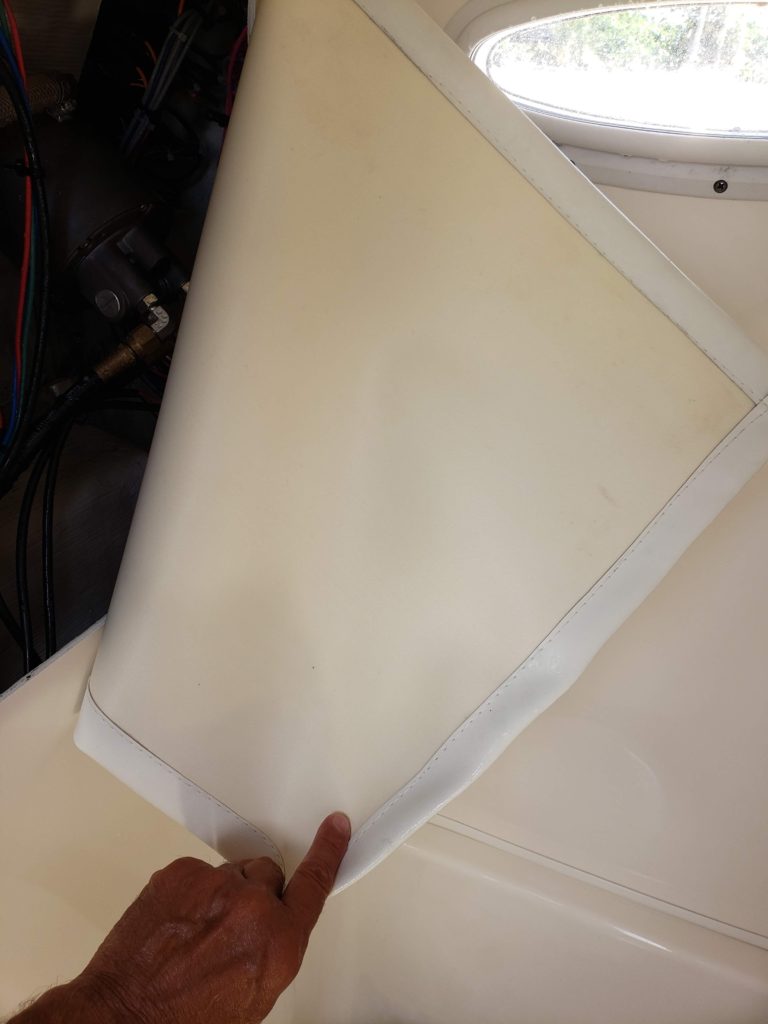
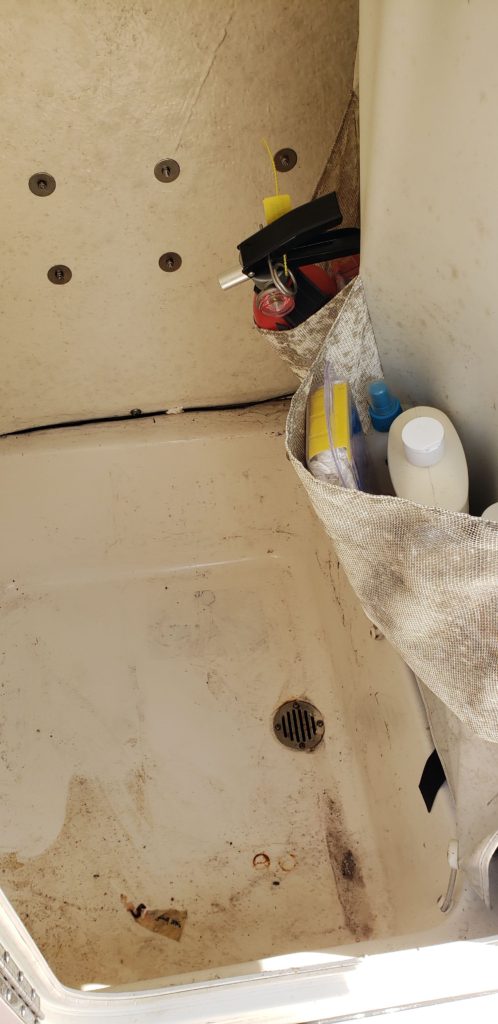
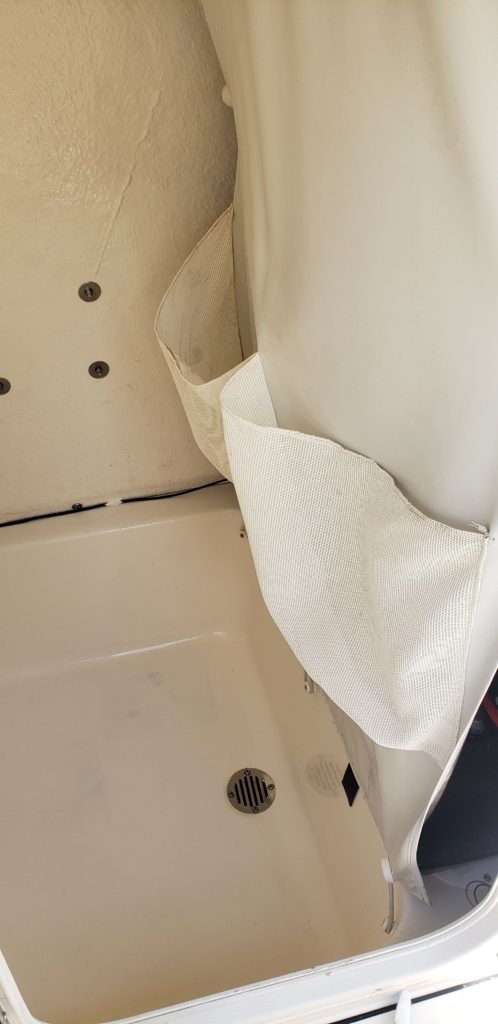
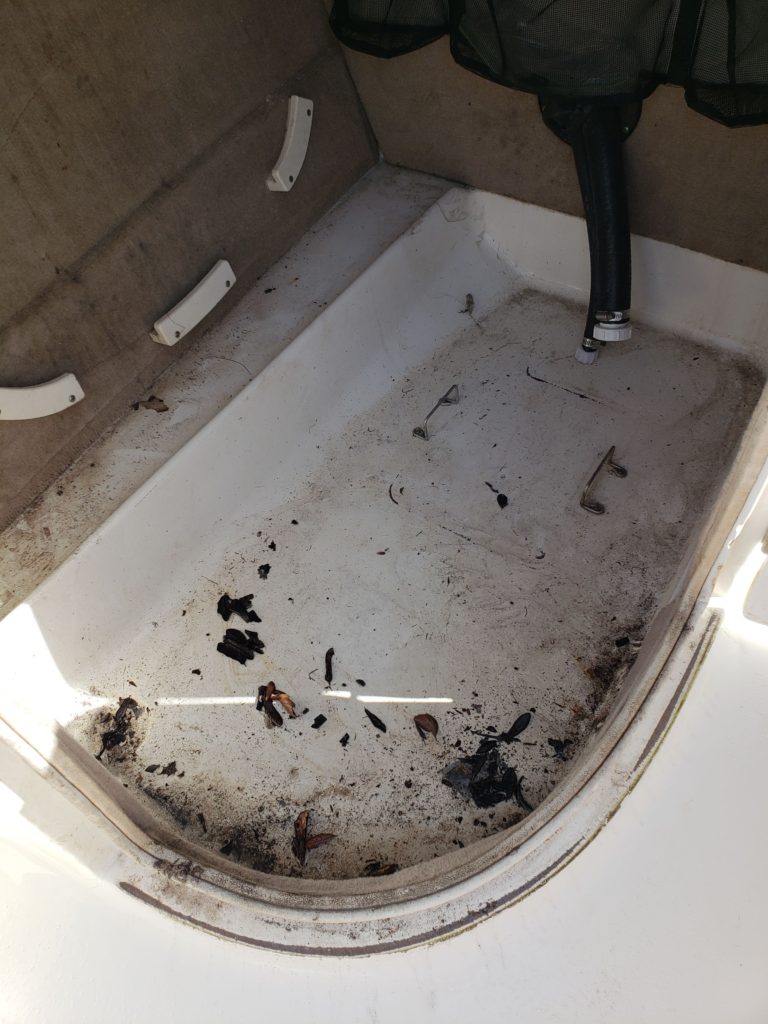
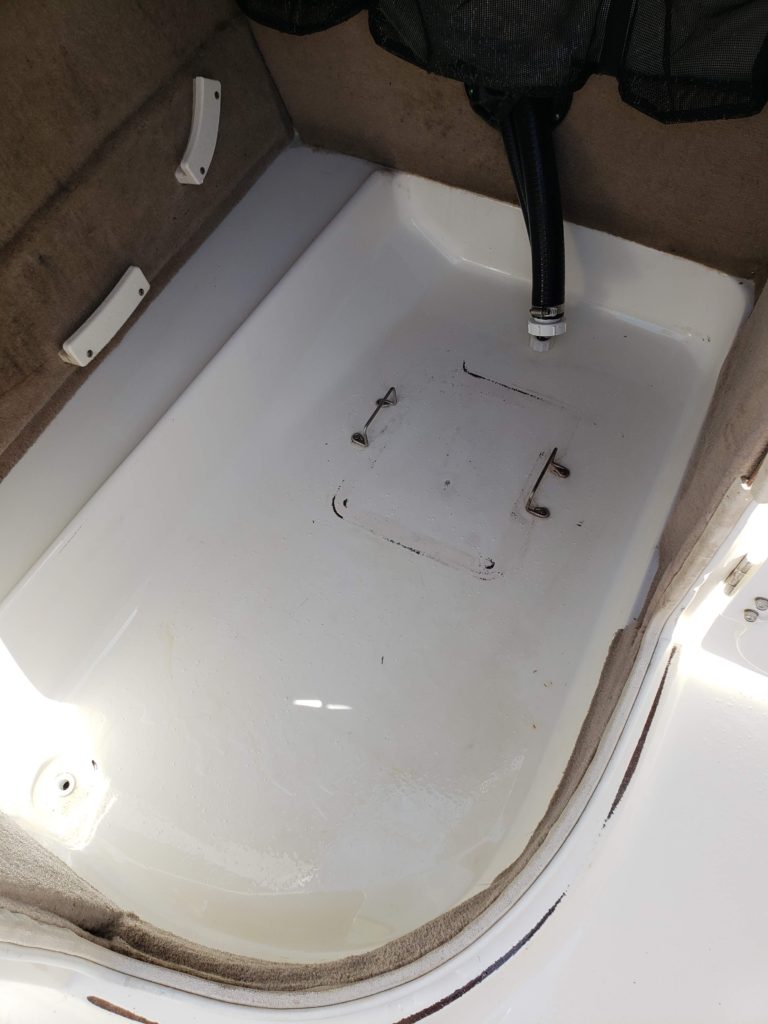
One of the most mysterious mold is that left over by the manufacturing process. It is invisible for at least a year and , when we see it, it looks like mildew. But if you spray it with mildew remover, it reveals even more of the mold!